
UPDATES
- Wednesday, 30 September
- 14:15 - 15:45 CEST
- Hall N
Presentation details:

Mpox and other emerging sexually transmitted infections: Lessons from recent outbreaks
Alba Catala, Spain
The global outbreak of Mpox in 2022 fundamentally shifted our understanding of how emerging infectious diseases can utilize intimate skin-to-skin and sexual networks to rapidly propagate. However, Mpox was only the vanguard. Recent clinical shifts through 2025 and 2026 have revealed an expanding spectrum of atypical, emerging dermatological pathogens presenting as sexually or closely transmitted infections (STIs).
This presentation explores the epidemiology, clinical presentation, and diagnostic nuances of three highly unusual pathogens currently surfacing in sexual health networks, particularly among gay, bisexual, and other men who have sex with men (GBMSM):
Genotype VII of Trichophyton mentagrophytes (TMVII): A highly inflammatory, sexually transmitted ringworm originating in Southeast Asia that causes deep, painful pustules and is frequently misdiagnosed as a bacterial infection.
- Dermatophilus congolensis: Classically a zoonotic bacterial pathogen (“rain rot” in livestock) that has recently driven unprecedented human-to-human cluster outbreaks within commercial adult saunas and intimate settings.
- Klebsiella (e.g., K. aerogenes) Folliculitis: An enteric, Gram-negative bacterium causing persistent, treatment-refractory beard and genital folliculitis, often linked to oro-anal contact and shared humid spaces.
Learning Objectives
By the end of this presentation, participants will be able to:
- Identify Atypical Presentations: Distinguish the clinical characteristics of emerging cutaneous STIs (T. mentagrophytes TMVII, Dermatophilus, and Klebsiella folliculitis) from common mimics like classic acne, staphylococcal folliculitis, and traditional jock itch.
- Analyze Transmission Dynamics: Evaluate how microenvironments (e.g., adult saunas, hot tubs) and specific sexual networks amplify the human-to-human transmission of historically environmental or zoonotic pathogens.
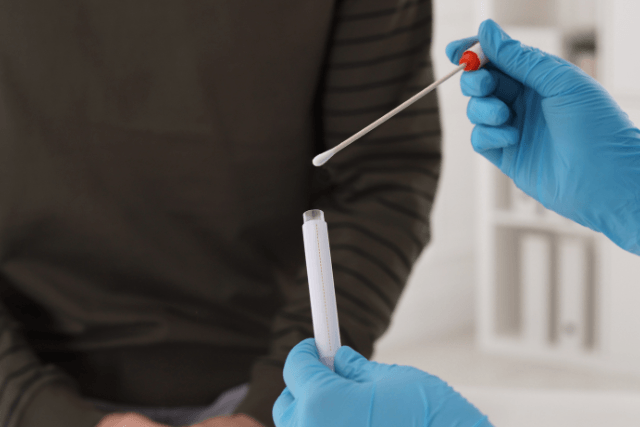
- Formulate Diagnostic Strategies: Implement appropriate microbiological and mycological sampling techniques—including fungal cultures, molecular testing, and deep-pustule swabs—to avoid the empirical misuse of ineffective antibiotics or topical steroids.
- Apply Outbreak Lessons: Utilize public health strategies learned from the Mpox response to deliver non-stigmatizing, targeted risk communication and community-led interventions during emerging dermatological outbreaks.
- Optimize Therapeutic Management: Design correct, targeted treatment regimens for these emerging pathogens, recognizing that conditions like TMVII require systemic oral antifungals rather than topical creams.
UPDATES
- Wednesday, 30 September
- 16:00 - 17:30 CEST
- Hall N
Presentation details:

Sexually transmitted infections presenting as vasculitis, ulcers or nodules: A diagnostic approach
Claudia Heller-Vitouch, Austria
Sexually transmitted infections (STIs) remain among the most important differential diagnoses of genital and extragenital ulcers, nodules and vasculitis-like skin lesions. However, many of these conditions are uncommon in daily practice and frequently mimic inflammatory, autoimmune or neoplastic diseases, resulting in delayed diagnosis, unnecessary investigations and inappropriate treatment. With the ongoing increase in bacterial STIs across Europe, dermatologists should maintain a high level of awareness for atypical clinical presentations.
This presentation provides a practical, evidence-based diagnostic approach to patients presenting with ulcers, nodules or vasculitis-like lesions in whom an STI should be considered. Using illustrative clinical cases, participants will review the characteristic and atypical manifestations of syphilis, lymphogranuloma venereum, chancroid, granuloma inguinale, gonococcal infection and genital herpes. The lecture will highlight important clinical clues, appropriate laboratory investigations, indications for histopathology, and the role of molecular diagnostics in establishing the correct diagnosis.
Particular emphasis will be placed on the application of current European IUSTI guidelines and recent evidence to everyday clinical practice. Common diagnostic pitfalls, appropriate differential diagnoses, and practical management strategies will be discussed, enabling participants to confidently evaluate patients with these challenging presentations and initiate timely, guideline-based treatment.
Key learning objectives
- Recognise the typical and atypical manifestations of sexually transmitted infections presenting as vasculitis-like lesions, ulcers or nodules and distinguish them from inflammatory, autoimmune and neoplastic dermatoses.
- Apply a structured, guideline-based diagnostic approach, including targeted history taking, physical examination, appropriate laboratory testing, microbiological investigations and, where indicated, histopathological evaluation.
- Implement evidence-based management according to current European IUSTI guidelines, ensuring timely diagnosis, appropriate antimicrobial therapy and optimal patient care while avoiding common diagnostic pitfalls.
Presentation details:

Human papillomavirus infections of the skin and mucosa: What is new for dermatologists?
Suzana Ljubojevic Hadzavdic, Croatia
Human papillomavirus infections remain among the most common viral infections encountered in dermatological and venereological practice, affecting both the skin and mucosal surfaces. While many HPV infections are transient and clinically benign, certain HPV types are associated with persistent disease, recurrent lesions, premalignant changes and HPV-related malignancies. This lecture will provide a clinically oriented update on cutaneous and mucosal HPV infections, with a particular focus on what is new and relevant for dermatologists. The presentation will cover recent developments in HPV epidemiology, vaccination strategies, diagnostic approaches, and management of common and challenging HPV-related conditions, including anogenital warts, recurrent or treatment-resistant lesions, and HPV-associated premalignant disease. Special attention will be given to the dermatologist’s role in early recognition, patient counselling, prevention, vaccination advocacy and multidisciplinary care. Practical clinical scenarios will be used to highlight diagnostic pitfalls, therapeutic decision-making and communication strategies, particularly in patients with anxiety, stigma or concerns related to sexually transmitted infections.
Key learning objectives:
- To review the clinical spectrum of cutaneous and mucosal HPV infections relevant to dermatologists.
- To understand recent developments in HPV prevention, vaccination and patient counselling.
- To recognize challenging HPV-related presentations, including recurrent, extensive or treatment-resistant disease.
- To improve diagnostic and therapeutic decision-making in patients with anogenital HPV infections and HPV-associated premalignant lesions.
- To highlight the dermatologist’s role in reducing stigma and promoting prevention-oriented care.