Workshops at EADV Congress

Besides the core scientific lectures of the EADV Congress, the Academy offers a variety of practical workshops in the hot fields of dermatology.

Chaired by experienced specialists and accommodating a small set of participants, a workshop is an ideal approach to immediately implement the skills you are learning, gain hands-on experience, and rapidly acquire knowledge on the subject.

At a glance

Time

AM
08.30 - 11.45

PM
14:15 - 17:30

Wed 30.09

STI diagnosis and treatment

Allergology: skin environmental induced contact dermatitis and urticaria

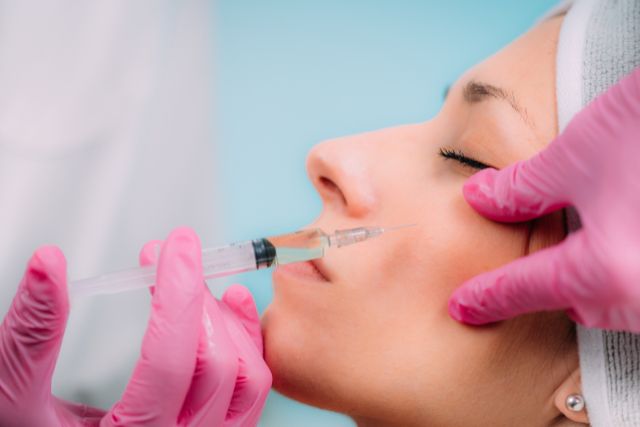
Dermal Fillers

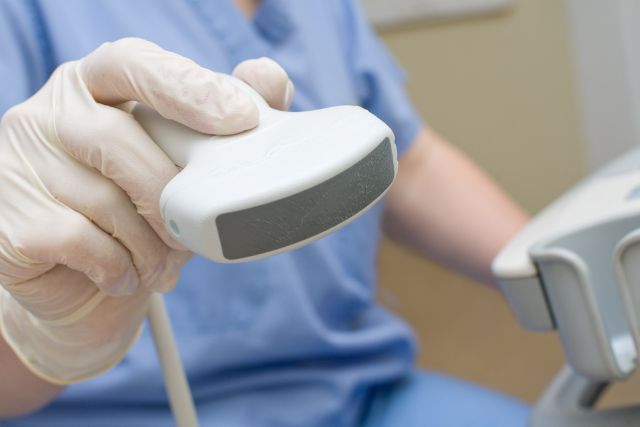
Basics of ultrasound imaging and echo guided injections

Thu 1.10

Playing with AI in Dermatology

Dermoscopy happy hour live (I)

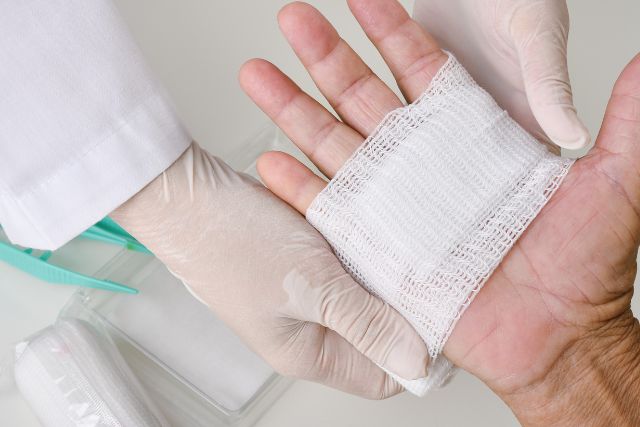
Wound healing

Dermoscopy happy hour live (II)

Fri 2.10

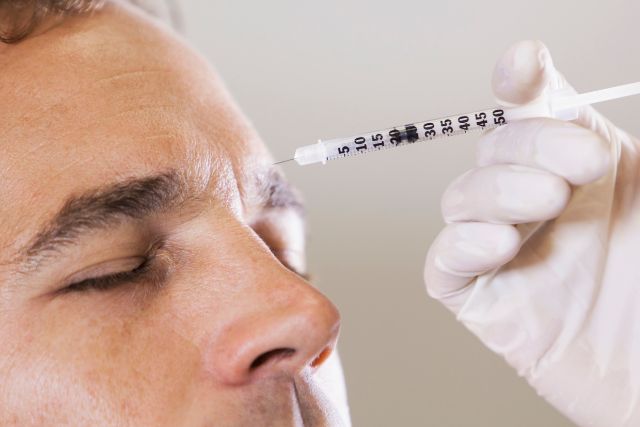
Use of botulinum toxin in cosmetic and medical dermatology

Phlebology for beginners

Confocal Microscopy and LC-OCT

Surgery – Beginners

Sat 3.10

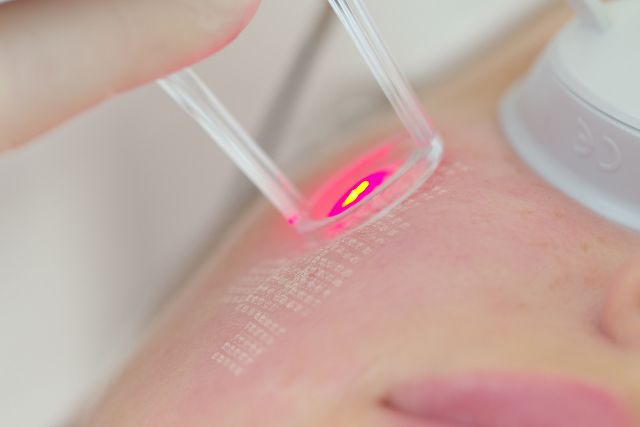
Laser treatment for beginners

Surgery - Intermediate

Dealing with complications of aesthetic procedures

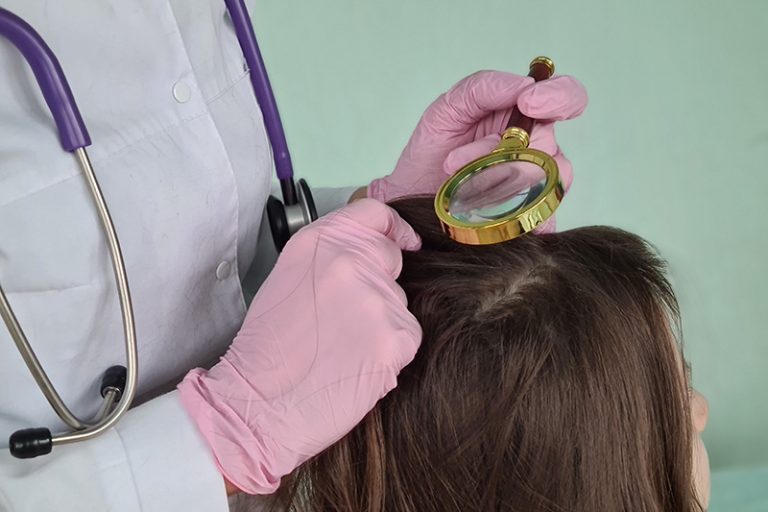
Diagnostic procedures in hair loss

Available workshops at the 2026 EADV Congress

30

WED

STI diagnosis and treatment

30

WED

Dermal fillers

30

WED

Allergology: Environmental induced contact dermatitis and urticaria

30

WED

Basics of ultrasound imaging and echo-guided injections in dermatology

01

THU

Playing with AI in dermatology

01

THU

Wound healing

01

THU

Dermoscopy happy hour live

02

FRI

Use of botulinum toxin in cosmetic and medical dermatology

02

FRI

Confocal microscopy and LC-OCT

02

FRI

Phlebology for beginners

02

FRI

Surgery – Beginners

03

SAT

Laser treatment for beginners

03

SAT

Dealing with complications of aesthetic procedures

03

SAT

Surgery – Intermediate

03

SAT

Diagnostic procedures in hair loss

Registration opens on Monday 1 June 2026 at 12:00 (CEST), exclusively for EADV Members, with a two-week priority access period.

From Monday 15 June 2026 at 12:00 (CEST), registration will open to all interested participants

How to register to an EADV Congress workshop

All courses require a pre-registration and a pre-payment.  Class sizes are limited and registrants are accepted on a first-paid, first-served basis.

Workshops can be purchased through the official Registration Platform by accessing the “Individual and Third-Party Registration” area. Please note that no Group Registration is possible.

While purchasing your ticket to the EADV Congress

You will be prompted with a list of available Workshops. Select the workshop(s) and finalise your registration by paying the due fee*.

If you already have a valid ticket to the EADV Congress

You can purchase it in 5 easy steps:

  1. Access the Registration Platform with the credentials you used to register (email address + password)
  2. Click on the panel “Individual and Third Party Registration”
  3. Choose the option “Register or book tickets for yourself”
  4. Select the workshop(s) you wish to attend from the list provided
  5. Pay the due fee*.

* Enrolment is not guaranteed until the financial transaction has been completed/the payment is received by the EADV

Terms and conditions

Please note that by purchasing your ticket in advance online, you agree to our Terms and Conditions.

Definitions

These terms and conditions apply to all delegates registering for one or more of the above workshops during the 2026 EADV Congress in Vienna.

Who can attend?

Workshops are available for the following registration categories: EADV Members, EADV Resident Members, Non Member (DELEGATE), and Resident (under 35 years old). 

There may be different levels of learning, so please read carefully the description and target audience, before submitting your registration.

Kindly note that to be able to attend a workshop at the EADV Congress you should also have a valid admission (i.e. a Full Ticket or a 1-Day ticket for the day of the selected workshop). Participation is limited and on a first-come, first-served basis.
Workshop fee / Methods of payment

Each workshop has an additional fee of 50 EUR for EADV Members and 150 EUR for non-members. Please note that workshops require a pre-paid booking via credit card (strongly suggested) or bank transfer.

The registration to a workshop is a supplement to the Congress admission which must also be purchased (workshops cannot be booked or purchased without an admission to the Congress).

Cancellation Policy

The EADV reserves the right to cancel a course if there are insufficient registrants. In the unlikely event of cancellation, registrants will be notified immediately and all workshop fees will be promptly refunded.

If you have any further questions about the Scientific Workshops, please contact us

EADV Workshop

STI diagnosis and treatment

Wed 30.09

08:30 - 11:45

Room 1.61-1.62

Chair

Instructors

Cost

Level of proficiency

Both residents and established dermatologists are welcome

This interactive workshop aims to provide both residents and practicing dermatologists with updated knowledge and practical insights into the diagnosis and management of sexually transmitted infections (STIs). Participants will benefit from concise, state-of-the-art presentations covering key topics such as syphilis and other ulcerative STIs, emerging trends in STIs, and HIV indicator diseases.
Given the growing clinical relevance of antimicrobial resistance (AMR), the workshop will also address underlying resistance mechanisms and introduce practical molecular approaches for detecting AMR in pathogens.
A central component of the workshop is active participant engagement: attendees are encouraged to share local guidelines, clinical experiences, and challenging cases, fostering an interactive and internationally relevant discussion environment.

By the end of this workshop, participants will be able to:

  • Compare approaches to STI consultations across different cultural and healthcare settings
  • Apply a structured diagnostic approach to patients presenting with genital ulcers
  • Understand key mechanisms of antimicrobial resistance and their clinical implications
  • Recognize complications and atypical manifestations of syphilis
  • Identify HIV indicator diseases in routine dermatological practice

Better understanding of new trends in STI prevention, including PrEP, doxyPEP, and Targeted Screening

Introduction

STI and antimicrobial resistance

STI difficult cases

HIV-indicator diseases

PrEP, doxyPEP, and Targeted Screening

Station 1: STI and antimicrobial resistance

Station 2: STI difficult cases

Station 3: HIV-indicator diseases

Station 4: PrEP, doxyPEP, and Targeted Screening

Conclusion & feedback

EADV Workshop

Dermal fillers

Wed 30.09

14:15 – 17:30

Room 1.61-1.62

Chair

Instructors

Cost

Level of proficiency

This course is designed for both residents in last years of residency and specialists interested to start injectiong or to improve their skills.

The Dermal Fillers workshop is designed for dermatologists willing to start injecting or improve their skills in dermal filler procedures. This workshop will cover the principles of facial anatomy, injection techniques, product selection, safety considerations, advanced applications of dermal fillers and will especially focus on potential side effects and how to deal with them. Videos of injecting procedures will be displayed. There will be neither live injections nor on silicone face models.

  • Understanding of facial anatomy relevant to dermal filler procedures.
  • Learn about different types of dermal fillers and their appropriate uses.
  • Learn injections techniques for various facial regions.
  • Communication skills and legal issues with patients.
  • Understand potential complications associated with dermal filler injections and how to deal with them.

Welcome and introduction

Aging of the face and wrinkles classification

Functional anatomy for cosmetic procedures

Q&A

Fillers: what to inject? State of the art

Skinboosters & collagen stimulators

Techniques to optimize results of injection

Q&A

Side effects of fillers and their management

Q&A

EADV Workshop

Allergology: Environmental induced contact dermatitis and urticaria

Wed 30.09

08:30 - 11:45

Room 1.85-1.86

Chair

Instructors

Cost

Level of proficiency

Dermatologists and fellows in dermatology that want to learn or update practical aspects with available diagnostic tests or test devices in different dermatological allergic diseases.

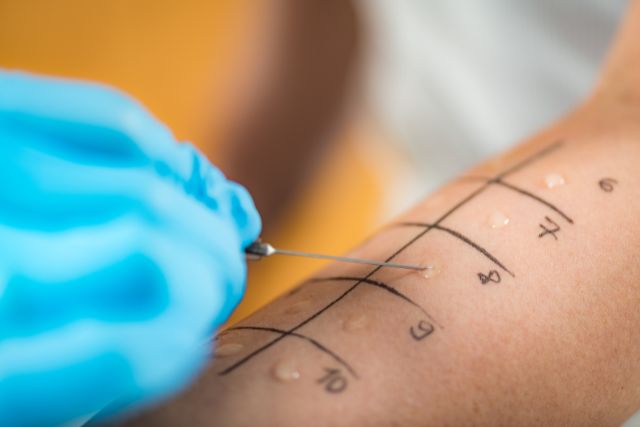
The workshop will focus on theoretical and practical aspects to correctly diagnose etiologically immunologic cutaneous disorders. These conditions include dermatitis / eczema (contact or atopic) and urticaria (acute or chronic) trigger by environmental stimuli and agents. Its clinical identification would need some specialized complementary tests in order to typify the responsible agent, assess severity, implement correct treatment and also preventive measures. For this is essential a training. How to identify and demonstrate type I and type IV hypersensitivity in cutaneous Immunol allergic diseases and how to make a correct differential diagnosis of inducible chronic urticarias is the main goal of this workshop.

  • Use of the provocation tests to distinguish the types of inducible urticarias and know differential diagnosis with other dermatological conditions,
  • Perform the cutaneous provocation test according to the protocols, which are necessary for the identification of inducible urticaria and that allow the assessment of its severity by looking for useful thresholds in e.g., cold, solar, cholinergic and other forms of inducible urticaria,
  • Assessment of disease control of the chronic inducible urticaria during the treatment by using an specific validated questionnaire,
  • To decide when to prescribe and test patients, to distinguish the types of immediate contact skin reaction and differential diagnosis with other dermatological conditions,
  • Decide and perform the provocation test, which is necessary to do the etiology diagnosis of immediate contact skin reaction such as contact urticaria or protein contact dermatitis, such as prick testing and others,
  • Identify types of delayed contact dermatitis, eczematous or not, and differential diagnosis
  • Be familiar with indications and contraindications for patch testing,
  • Know how to perform patch test, semi-open/open-test and ROAT and evaluate the relevance of a positive reaction.
  • Consider preventive measures of a positive patch test.

Introduction, learning objectives

Chronic inducible urticaria: Definition, classification, diagnostic tools, provocation tests & case report

Immediate contact skin reaction: Definition, classification, diagnostic tools & case report

Contact dermatitis: definition, classification, diagnostic tools & case report

Practical Sessions – 3 rotating groups

Q&A and conclusions

EADV Workshop

Basics of ultrasound imaging and echo-guided injections in dermatology

Wed 30.09

14:15 – 17:30

Room 1.85-1.86

Chair

Instructors

Cost

Level of proficiency

Both residents and established dermatologists are welcome.

This workshop is designed for dermatologists seeking to incorporate dermatological ultrasound as a diagnostic tool in their practice. Whether you’re new to ultrasound or looking to enhance your skills, join this workshop to explore the diverse applications and techniques of ultrasound in dermatology including Echo guided injections.

  • Practical basic ultrasound equipment knobology training.
  • Learning by doing scanning protocols of skin, hair, and nails.
  • Learning by doing echo-guided injections of subcutaneous lesions in phantomas.

Welcome

Introduction to dermatologic ultrasound

Practical hands-on ultrasound scanning in healthy volunteers

Echo-guided injections in phantoms

EADV Workshop

Playing with AI in dermatology

Thu 1.10

08:30 - 11:45

Room 1.61-1.62

Chair

Instructors

Cost

Level of proficiency

Both residents and established dermatologists are welcome.

This workshop offers an exploration into the innovative intersection of Artificial Intelligence (AI) and Dermatology. You will explore the potential of AI in various aspects, from diagnostics to treatment strategies. Gain insights into the latest advancements, methodologies, and practical applications in field. Participants will discover how AI technologies can increase clinical decision-making, optimise workflow efficiencies, and enhance patient care. Additionally, discussions will cover the advantages and disadvantages of integrating AI into dermatological practices.

  1. Understand the potential and limitations of AI in dermatology,
  2. Understand the technical background of machine learning,
  3. Leverage the potential of human-AI collaboration in dermatology,
  4. Use AI successfully in practice.

Stop typing: Let AI do it for you!

Stop thinking: Let AI think for you!

Stop searching: Let AI search for you!

Stop calculating: Let AI calculate for you!

Stop looking: Let AI look for you!

Start collaborating: Get the best of both worlds!

EADV Workshop

Wound healing

Wed 30.09

14:15 – 17:30

Room 1.61-1.62

After an introduction that will explain the main principles of diagnosis and treatment of leg ulcers, participants will be divided in groups that will rotate in different stations.

Wound assessment will be explained following a holistic framework, considering not only the wound, but also perilesional skin and patient comorbidities.

Different diagnostic tools to establish the vascular status of the patient will be discussed. Ankle-brachial index measurement will be performed by the participants themselves.

Practical tips to get to a systematic and efficient differential diagnosis pathway will be suggested. The variety of possible aetiologies of leg ulcers will be explained through rich iconography.

A theoretical and practical approach to compression therapy will be based not only on its benefits for venous ulcers but also on its usefulness in any leg ulcer when no contraindications exist.

The range of wound dressings that are commercially available will be explained, focusing on their components and indications. The concepts of wound infection continuum and antimicrobial stewardship will be explained. The technique of punch grafting as autologous skin grafting will be explained as interesting and efficient option to promote epithelialisation.

At the end of the workshop the participants

  • will be able to perform an accurate wound assessment,
  • will know how to measure ankle-brachial index,
  • will be able to make relevant differential diagnosis,

will understand compression therapy, will know different local strategies to promote wound healing, from wound dressings to skin grafting.

Chair

Instructors

Cost

Level of proficiency

Both residents and established dermatologists are welcome.

Introduction

Station 1: Wound assessment, vascular status measurement

Station 2: Differential diagnosis

Station 3: Wound dressings and antimicrobial stewardship

Station 4: Skin grafting & compression therapy

Station 5: Case-based management

End of workshop: Guidelines, position documents, deedback

EADV Workshop

Dermoscopy Happy Hour Live

Due to high demand, this workshop will be available at two different times on the same day.
You can choose your preferred session during registration, subject to availability.

Thu 1.10

08:30 - 11.45
14:15 – 17:30

Room 1.85-1.86

Chair

Instructors

Cost

Level of proficiency

This course is designed for both residents and interested specialists.

Dermatoscopy is commonly used to improve the diagnosis of neoplastic and non-neoplastic disease. This interactive workshop will discuss practical problems of dermatoscopy, including applications beyond its traditional use in pigmented neoplastic lesions. The format will be very unformal and based on live discussion of cases among the 4 instructors and the participants.

Learning objectives of the workshop are:

  • learning the pitfalls and avoiding errors in the diagnosis of skin tumors,
  • learning how to diagnose and manage skin tumors in different age groups,
  • learning how to use dermatoscopy for inflammatory lesions
  • learning how to use dermatoscopy for infectious diseases.

Dermoscopy Happy Hour, Episode 1

Dermoscopy Happy Hour, Episode 2

Dermoscopy Happy Hour, Episode 3

Dermoscopy Happy Hour, Episode 4

Kahoot Session

EADV Workshop

Use of botulinum toxin in cosmetic and medical dermatology

Fri 2.10

08:30 – 11:45

Room 1.61-1.62

Chair

Instructors

Cost

Level of proficiency

Anyone who is new to the use of botulinum toxin but wants to learn the basics of its use.

Both residents and established dermatologists are welcome.

The workshop will focus on the practice of use of botulinum toxin in a dermatologist office.

This workshop gives theory behind the use of botulinum toxin for aesthetic and medical dermatological indications. The hands-on part to study the practical use of toxins and to learn where to place the injections points for successful treatment outcomes.

At the end of the workshop the participants will be able to understand

  • the actions of botulinum toxin on muscular and other structures
  • medical and aesthetic indications and injection points
  • hands-on (sham – drawing the injection points) training in working with toxins

Introduction to the workshop

Botulinum toxin: what kind of substance is it? Contra-indications

Medical use of botulinum toxin

Video presentation of use of the toxin

Cosmetic use of botulinum toxin

Video of cosmetic use of botulinum toxin

Rotating stations – Hands-on practice

Round up

EADV Workshop

Confocal Microscopy and LC-OCT

Fri 2.10

14:15 - 17:30

Room 1.61-1.62

Chair

Instructors

Cost

Level of proficiency

Both residents and established dermatologists are welcome.

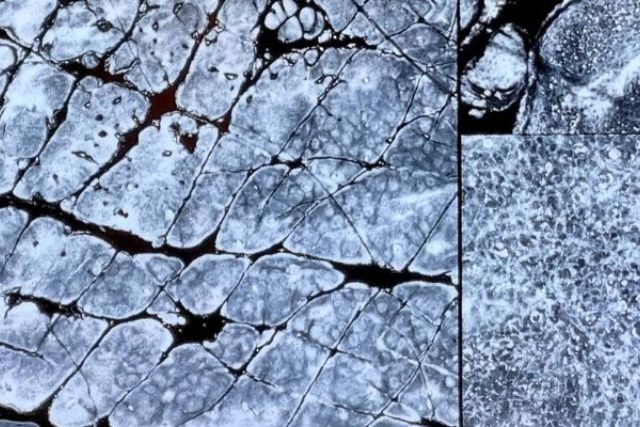
This workshop is designed for both residents and specialists to acquire or increase knowledge about the two main non-invasive imaging techniques currently used in dermatology. A panel of two chairs and five instructors will present the two techniques both in terms of skin lesions (benign and malignant) and inflammatory/infectious conditions. A final practical session (hands-on-machine) aiming at immediately putting into practice the notion just acquired will conclude the workshop.

  • Acquire or increase knowledge about reflectance confocal microscopy (RCM)
  • Acquire or increase knowledge about line-field confocal optical coherence tomography (LC-OCT)
  • Being able to use RCM and LC-OCT devices in real life

Introduction

RCM of benign and malignant skin tumours

RCM of paediatric / inflammatory / infectious conditions & Paget's disease

LC-OCT of benign and malignant skin tumours

LC-OCT of paediatric / inflammatory / infectious conditions

Interactive & practical experience (hands-on machines)

EADV Workshop

Phlebology for beginners

Fri 2.10

08:30 - 11:45

Room 1.85-1.86

Chair

Instructors

Cost

Level of proficiency

This course is designed for beginners in phlebology examination and treatment (i.e., sclerotherapy), as well as for anyone who likes to refresh their knowledge in this field.

The participants will be introduced to the main principles of phlebology.

To start the following will be explained and discussed:

  • the anatomy and physiology of the lower limbs,
  • the diagnostics and investigations used by phlebologists,
  • the therapy of varicose veins according to the newest guidelines, including sclerotherapy.

Afterwards, participants will be divided in 4 rotating groups for hand-on learning of:

  • production of sclerosing foam,
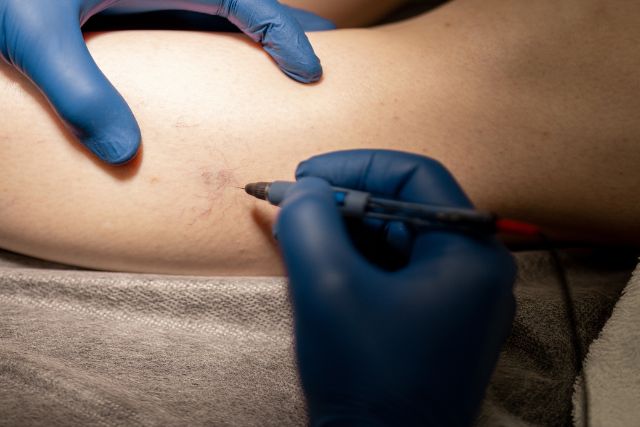
  • injection of spider veins,
  • duplex guided injection techniques.
  • Injection models are used to practice injection techniques and foam production will be demonstrated and performed by the participants themselves.

In addition, there will be time to discuss questions around indications, techniques, side effects and results of sclerotherapy.

At the end of the workshop the participants:

  • will have refreshed the anatomy and physiology of the vascular system of the lower limbs,
  • will be able to make the positive and differential diagnosis of vascular diseases of the lower limbs,
  • will know how to perform several therapeutic procedures used in phlebology (e.g., sclerotherapy).

Varicose veins and chronic venous insufficiency, classification and diagnosis

Sclerotherapy of varicose veins

Sclerosing agents

Hands-on – 4 rotating groups

Production of foam

Sclerotherapy of subcutaneous varicose veins

Sclerotherapy of spider veins

Post-Injection management

EADV Workshop

Surgery – Beginners

Fri 2.10

14:15 – 17:30

Room 1.85-1.86

Chair

Instructors

Cost

Level of proficiency

Beginners, no/little knowledge of dermatological surgery

In the first part of the workshop, we will learn basics of preparation for surgical procedures, facial anatomy, anaesthesia, instruments and suturing. The second part will focus on exercising punch biopsy, ellipse excision and different suture techniques. At the end, basic principles of flaps and grafts will be reviewed shortly. All aspects will be discussed and illustrated with pictures, followed by hands-on training in groups. During the training, live video will be used to visualize drawing, use of instruments and suturing.

After the workshop the participants will be:

  1. familiar with the theoretical background of surgical procedures in dermatology
  2. able to review instruments and suturing techniques
  3. skilled in most important suturing techniques

Welcome

Presentation: Review of facial anatomy, local anaesthesia and suturing

Hands-on training suture techniques and ellipse excision

Presentation: Introduction of flaps and grafts

Hands-on training flaps / video

Quiz / Closing remarks

EADV Workshop

Laser treatment for beginners

Sat 3.10

08:30 - 11:45

Room 1.61-1.62

Chair

Instructors

Cost

Level of proficiency

The workshop is directed to beginners in the field, residents in dermatology and slightly experienced laser practitioners. Basic knowledge about laser physics and general aspects of laser skin interaction is preferred but not required.

The main goal of the workshop is to gain essential knowledge about laser dermatology in order to improve outcomes in laser therapy. It will focus on vascular lesions, pigmented lesions, laser endpoints, how to avoid complications, laser assisted drug delivery and ablative and fractional lasers. Each of these topics will be systematically approached by an expert through 1) a short introduction, 2) an overview of available devices, 3) a review of indications, 4) an interactive panel discussion with tips, tricks and pitfalls. Questions from the audience are welcome throughout the whole workshop.

Learning objectives of the workshop are:

  • to summarize the basics of laser and IPL therapy,
  • to acquire an overview of commonly used laser devices,
  • to acquire an overview of common indications and outcomes of laser therapy,

to identify optimal endpoints and avoid complications.

The essentials: laser – light – laser / tissue interaction

Clinical endpoints: how to improve outcomes and avoid complications

Vascular lesions

Pigment and Tattoo treatment

Q&A and Interactive case-based learning

Ablative & fractional laser therapy

Laser assisted hair reduction

Q&A and Interactive case-based learning

EADV Workshop

Dealing with Complications of Aesthetic Procedures

Sat 3.10

14:15 – 17:45

1.61-1.62

Chair

Instructors

Cost

Level of proficiency

Dermatologists and residents  with prior experience in injectables and energy based devices.

This intensive workshop is designed for dermatologist and residents who perform or would like to perform different injectable treatments, energy based procedures and other techniques in aesthetic medicine.

Complications in aesthetic medicine are rare but during our everyday practice  we have noticed and there are a lot cases reported in the literature . The course combines evidence-based protocols with hands-on scenarios to build confidence in preventing, correct identifying, and treating adverse events and complications.

We focus on the most common and most dangerous complications: vascular occlusion, delayed inflammatory reactions, infections, nodules, asymmetry, and blindness prevention. Sessions include anatomy refreshers, emergency algorithms, ultrasound-guided dissolution demos, and medico-legal documentation. The goal is to turn panic into protocol when complications arise.

By the end of this workshop, participants will be able to:

  1. Recognize early clinical signs of common and severe complications from botulinum toxin, dermal fillers, threads, and energy-based devices, including vascular compromise and necrosis.
  2. Apply step-by-step emergency protocols for filler-induced vascular occlusion, including hyaluronidase dosing, heat, massage, and referral pathways.
  3. Differentiate inflammatory nodules, granulomas, biofilm, and delayed hypersensitivity, and select appropriate medical management for each.
  4. Integrate high-risk anatomy into daily injection planning to minimize complication risk for glabella, lips, temples, nose, and tear trough.
  5. Demonstrate basic ultrasound techniques to locate filler, guide hyaluronidase injection, and confirm vascular flow.
  6. Document complications accurately and communicate effectively with patients to meet medico-legal standards and reduce liability.
  7. Build a clinic emergency kit and establish a written SOP for complication management that staff can execute under pressure

Introduction – Why complications matter

Q&A

High-risk anatomy areas: Lips, nose, temples, glabella, danger zones

Q&A

Filler complications A–Z (case-based)

Q&A

Hyaluronidase – A Must in clinic

Q&A

Late complications of fillers (case-based)

Q&A

Ultrasound-guided management of aesthetic complications

Q&A

Complications beyond fillers: Botulinum toxin, threads

Q&A

Lasers and energy-based device complications

Q&A

Build your clinical SOP + Emergency kit checklist

Q&A

Medico-legal concepts, documentation, patient communication

EADV Workshop

Surgery - Intermediate

Sat 3.10

08:30 - 11:45

Room 1.85-1.86

Chair

Instructors

Cost

Level of proficiency

Intermediates, medium knowledge of dermatological surgery, perform simple surgery on regular basis.

In the first part of the workshop, we will interactively discuss details and pitfalls in preparation of surgical procedures, facial anatomy, danger zones, anaesthesia, instruments and suturing. This will be followed by hands-on training of some special aspects of suturing and biopsy. The second part will focus on the principles of flaps and grafts. The different techniques will be discussed and illustrated with lots of pictures, followed by hands-on training in groups.

During the training, live video will be used to visualize the procedures. A quiz will be held at the end of workshop.

After the workshop the participants will be:

  • familiar with details and pitfalls of surgical procedures in dermatology
  • skilled in special suture techniques
  • able to plan and apply flaps

Welcome

Details and pitfalls of surgical procedures

Hands-on training special aspects of suturing and biopsy

Principles of flaps and grafts in dermatologic surgery

Hands-on training flaps / video

Quiz / Closing remarks

EADV Workshop

Diagnostic Procedures in Hair Loss

Sat 3.10

14:15 – 17:45

Room 1.85-1.86

Chair

Instructors

Cost

Level of proficiency

Both Residents and Specialists are welcome

The workshop provides a comprehensive overview of diagnostic procedures for hair loss, focusing on clinical examination, trichoscopy, and advanced imaging techniques. Participants will gain practical insights into pattern recognition, “red flags,” and the correct handling of scalp biopsies.

Learning objectives of the workshop are:

  • To master patient examination and identify key diagnostic patterns and red flags in hair loss.
  • To understand and apply various diagnostic tests and trichoscopy signs across different scalp types.
  • To learn the correct procedure for trichoscopy-guided scalp biopsy and sample handling.
  • To gain proficiency in scalp imaging and case analysis using specialized equipment.

Patient examination – Pattern recognition / red flags

Diagnostic tests and imaging other than trichoscopy

Q&A

Trichoscopy: Equipment, basic signs, best site to biopsy

Trichoscopy basic: Test your skills!

Q&A

Trichoscopy: Advanced cases

Trichoscopy advanced: Test your skills!

Q&A

Trichoscopy in black scalp

Trichoscopy in black scalp: Test your skills!

Healthcare Professional definition

  1. Important note to Healthcare and Non-Healthcare Professionals

    Access to the different areas and sessions of the Congress depends on Healthcare Professional status.

    As a multidisciplinary audience will attend the EADV Congress, the EADV will assign different classes to Healthcare Professionals (HCPs) and Non-Healthcare Professionals (non-HCPs) to ensure compliance with the Austrian Pharmaceutical industry (PHARMIG) Code of Conduct and the medical device industry code of conduct (AUSTROMED) (Kodex und Statuten der AUSTROMED – Erklärvideo).

    Please read the description below to ensure that you (or your delegates) comply with the regulations in place.

EADV members are not automatically considered Healthcare Professionals

Please select the correct status (HCP or non-HCP) during registration.

  1. Definition

    The PHARMIG code defines Healthcare Professionals as follows (art. 2.2):

    “Healthcare Professional:

     “…any natural person(s) authorized to administer, to dispense, and to prescribe medicinal products such as doctors, pharmacists, dental practitioners, veterinarians, dentists, midwives, nursing professionals, medical technicians, medical service professionals, and other medical services organizations, provided that such medicinal products are necessary for the discharge of their duties.

    Medical students are not considered Healthcare Professionals under the current guidelines and will be automatically classified as Non-Healthcare Professionals
  1. Industry sessions

    Satellite Symposia and Industry Hub Sessions presenting data on the development, research, or other issues related to prescription medicine is restricted to Healthcare Professionals and Non Member (INDUSTRY) as indicated by the Industry Session Organizer.

    All promotional materials and marketing aids related to these industry sessions should be strictly limited to HCPs.

    Industry Session organisers can limit participation to certain representative groups independently from the EADV recommendations if deemed imperative to achieving the session’s intended purpose. The organising company reserves the right to refuse single categories, particularly if they are not adequately related to the session’s objective and purpose.

    The industry session organiser is responsible for compliance with the session.