
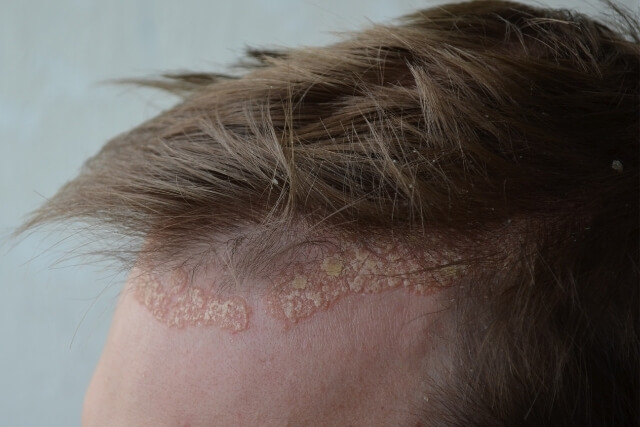
Understanding Psoriasis
UPDATES
- Thursday, 01 October
- 08:30 - 10:00 CEST
- Hall A
Presentation details:

Obesity and psoriasis
Jose-Manuel Carrascosa, Spain
Psoriasis and obesity are closely intertwined at a population level: obesity affects roughly a quarter to a third of people with psoriasis in Europe, and overweight overall affects well over half of patients, making excess weight one of the most common comorbidities in this population.
The relationship is bidirectional: adipose tissue behaves as an active inflammatory organ, releasing adipokines that sustain the IL-23/Th17 axis and reinforce the cytokine circuits driving psoriatic disease. This metabolic burden also blunts response to systemic therapy and biologics, shortening drug survival across TNF, IL-17, and IL-23 inhibitors.
Recent research has turned this link into actionable insight. Two 2026 JAAD CME reviews have consolidated the mechanistic rationale for GLP-1 receptor agonists in dermatology, while a broader framework proposes that obesity induces a lasting “metabolic memory” in immune and epithelial cells, helping explain why excess weight and insulin resistance predict suboptimal biologic response. t
Trials combining biologic therapy with weight-loss medication have begun to emerge, supporting a dual-treatment approach. Real-world data have also flagged a possible increase in psoriatic arthritis risk with GLP-1 therapy in psoriasis patients, a signal warranting monitoring rather than alarm. In practice, weight should now be treated as a modifiable, treatment-relevant variable, not just a comorbidity — and dermatologists are increasingly positioned to lead this multidisciplinary conversation with endocrinology and primary care.
- Obesity affects ~25–34% of psoriasis patients, fueling inflammation that reduces biologic response and drug survival.
- 2026 reviews strengthen the rationale for GLP-1 agonists in dermatology, with early trials combining biologics and weight-loss therapy showing promise.
- Weight is now a modifiable treatment target, calling for multidisciplinary care.
Presentation details:

Learning from monogenic psoriasis
Hervé Bachelez, France
Over the last 40 years, the immunogentic models of most prevalent immmune-mediated and inflammatory diseases of the skin have been assumingly multigenic, complex, despite the absence of robust demonstration.
For plaque psoriasis, the inflammation is considered to be mainly driven by dysregulated IL23/IL17 pathways. However, primary or secondary loss-of-efficacy is observed in a substantial proportion of patients in real-life, questioning this model.
Recently, several research efforts support the alternative hypothesis that different single gene models operate in psoriasis, the latest identifying inborn errors altering RNA-edition and upregulating type I interferon (IFN)-driven immune responses as a key icomponent of chronic inflammation in patients with plaque psoriasis.
The learning objectives of this session are:
- To present the genetic and mechanistic scenarios operating in single gene models of psoriasis, especially in IFN-driven psoriasis, and why it matters at the population level.
- To present the major comorbidities in patients with iFN-dependent psoriasis relying on a single gene model.
- To explain why and how these insights pave the way for precision medicine approaches in skin immune-mediated and inflammatory diseases, and challenge the concept of cure through a univocal targeted treatment strategy.
Treating Psoriasis
UPDATES
- Thursday, 01 October
- 10:15 - 11:45 CEST
- Hall A
Presentation details:

Topicals
Jo LW Lambert, Belgium
Despite the remarkable expansion of biologic and targeted systemic therapies, topical treatment remains the foundation of psoriasis management for the majority of patients. Conventional agents such as corticosteroids, vitamin D analogues, and combination formulations continue to play a central role, but important developments are reshaping the field.
This update lecture will begin with a concise overview of the current place of topical therapy within modern psoriasis care, including patient selection, treatment goals, and practical management of difficult-to-treat locations. The second part will focus on recent advances that are likely to influence clinical practice. These include the arrival of novel non-steroidal topical therapies, increasing interest in topical JAK inhibition, and innovations in drug delivery technologies designed to improve efficacy while limiting toxicity.
In addition, the lecture will discuss how emerging evidence and ongoing evidence-synthesis initiatives are changing our understanding of the relative value of individual topical therapies.
Special attention will be given to practical implications for daily dermatology practice, including treatment selection, long-term disease control, steroid-sparing strategies, and management of special sites.
The objective is to provide participants with a clear overview of where topical psoriasis treatment stands today and where it is heading in the coming years.
Key Learning Objectives:
- Revisit the current role of topical therapy across the spectrum of psoriasis severity and localisation.
- Understand how newly available and emerging topical agents may complement or replace traditional treatments in selected patients.
- Explore how advances in topical drug delivery, including nanotechnology-based platforms, may improve treatment outcomes