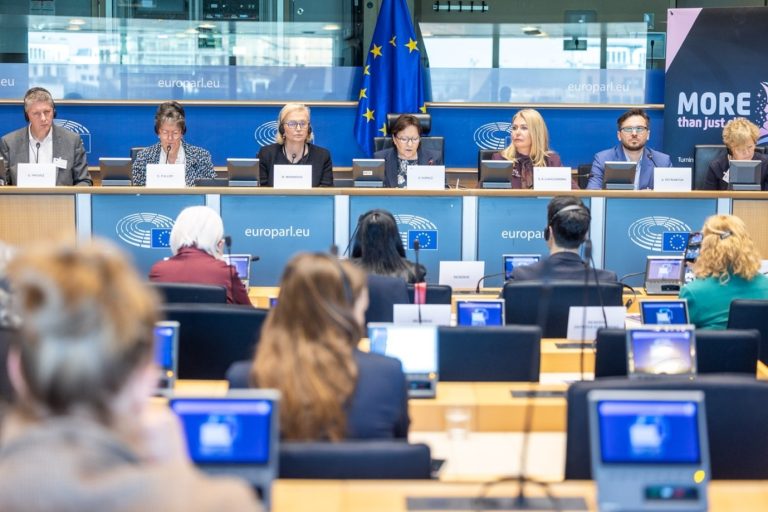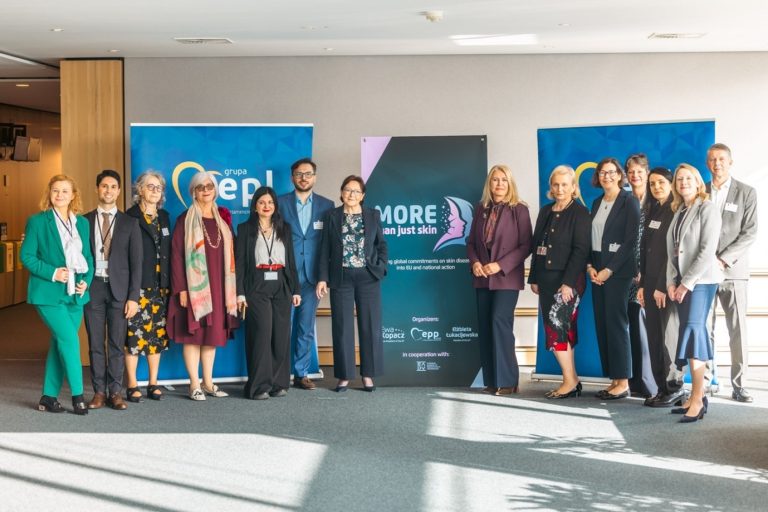

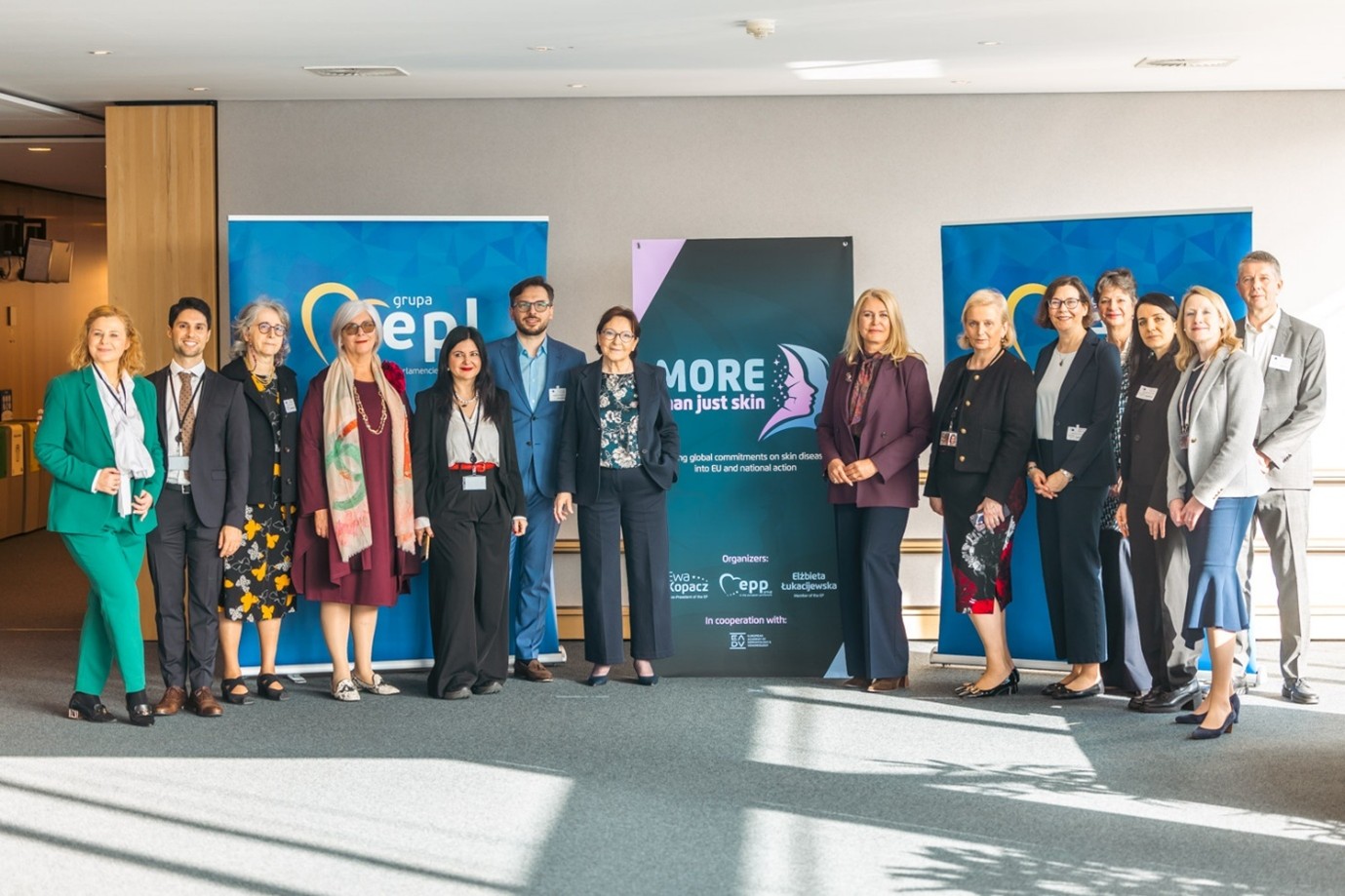
On 26 February 2026, the European Academy of Dermatology and Venereology (EADV) organised, together with European Parliament Vice-President Ewa Kopacz (European People’s Party, Poland) and Member of the European Parliament (MEP) Elżbieta Łukacijewska (EPP, Poland), a high-level conference in the European Parliament titled More than just skin: Turning global commitments on skin diseases into EU and national action.
The event brought together policymakers, dermatology experts, patient representatives and public health stakeholders to discuss how the World Health Assembly (WHA) Resolution recognising skin diseases as a global public health priority can be translated into concrete policy action at EU and national levels.
Adopted in 2025, the Resolution acknowledges the significant health and social burden of skin diseases and urges member states to prioritise skin diseases in their national health programmes, including stronger action on prevention, diagnosis, treatment and data collection. The resolution calls for the development of a Global Action Plan by the World Health Organization. It provides an important framework to strengthen political attention and coordinated action on skin health..
Key takeaway: There is global momentum to tackle skin diseases
EADV strongly supports stronger political attention to skin diseases and remains committed to advancing science-based policies that improve prevention, diagnosis and treatment across Europe. Building on the discussions held during the event, the following priorities should guide future EU and national action:
- Ensure the effective implementation of the WHA Resolution on skin diseases, including through stronger cooperation between EU institutions, member states, patient organisations and the medical community.
- Strengthen prevention and early detection efforts, particularly by improving public awareness of skin health and risk factors such as excessive UV exposure and sunbed use.
- Promote equitable and timely access to effective treatments and specialised care across Europe, addressing disparities between member states and supporting innovation in dermatological therapies.
- Recognise and address the broader impact of skin diseases, including stigma, mental health challenges and the disproportionate burden affecting women and young people, through integrated and multidisciplinary healthcare approaches.
Key remarks from policymakers and civil society
In her opening remarks, Vice-President Ewa Kopacz, emphasised that skin diseases affect millions of Europeans, yet they are still often perceived as cosmetic issues rather than serious health conditions. She recognised the importance of the World Health Assembly Resolution, stressing that skin health should be considered within broader public health strategies.
Kopacz called for stronger prevention efforts, including awareness campaigns and educational programmes targeting children and young people, and highlighted the need for clearer action on the risks associated with sunbed use and artificial UV exposure.
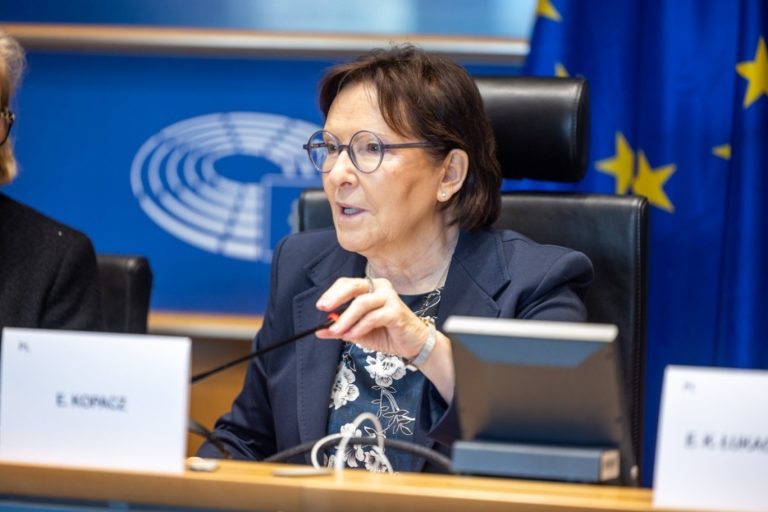
“The World Health Assembly Resolution recognising skin diseases as a global public health priority is an important political signal calling on governments and the international community to act.”
MEP Elżbieta Łukacijewska stressed that despite their high prevalence, skin diseases remain insufficiently addressed in European health policies. She highlighted the importance of strengthening prevention, reliable data collection and public awareness, particularly in combating health misinformation.
She also suggested that public awareness initiatives, such as exhibitions and educational campaigns, could help illustrate the real consequences of harmful practices such as sunbed use.

“Women are more affected by skin diseases in terms of stigmatisation and are often also those who carry greater care responsibilities, which further increases the burden they face."
MEP Eleonora Meleti (EPP, Greece) highlighted the particular impact of skin diseases on women and young people, noting that conditions such as acne, rosacea, alopecia and skin cancer affect not only physical health but also confidence, mental wellbeing and social participation.
Meleti also drew attention to the growing influence of social media and unrealistic beauty standards, which can encourage harmful behaviours such as sunbed use and excessive sun exposure. She called for clearer public health messaging and stronger prevention policies, stressing that the risks of artificial UV exposure must be communicated as clearly as other well-established cancer risk factors.

“We must support the uniqueness of every woman instead of forcing harmful beauty ideals, sunbeds should never be presented as harmless.”
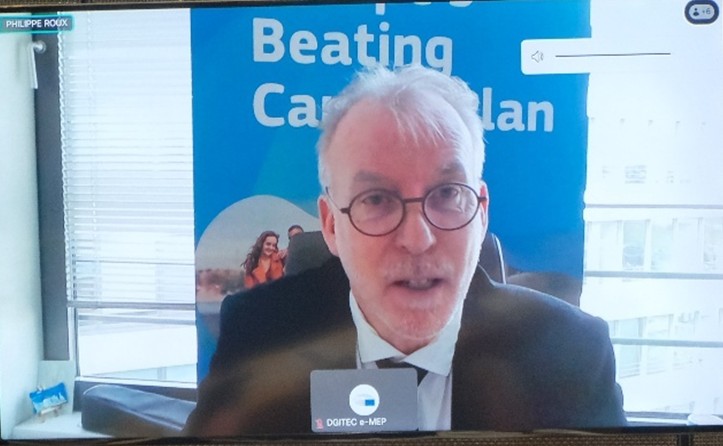
Phelippe Roux, Head of Unit for Cancer, Health in all Policies at the European Commission, outlined how skin diseases are addressed through broader EU public health initiatives and emphasised the importance of cooperation between EU institutions and member states. He highlighted the European Beating Cancer Plan as a key framework for prevention and control, noting that more than 60 actions have already been implemented since its launch.
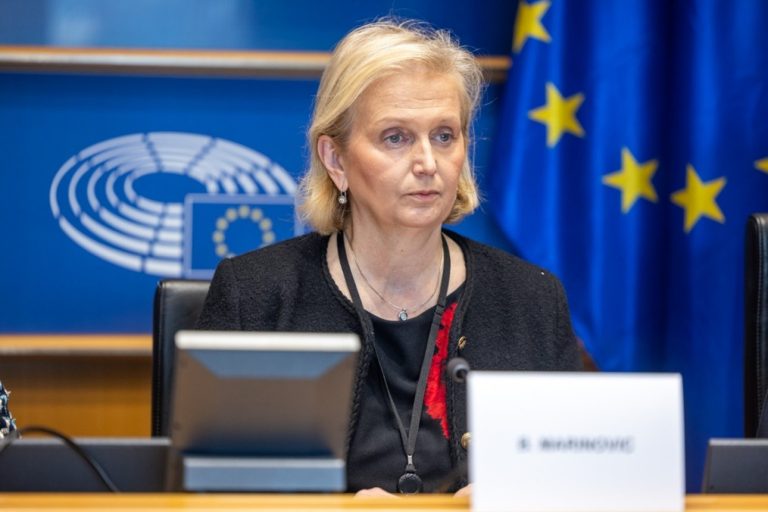
Prof Branka Marinović, President of the European Academy of Dermatology and Venereology (EADV), highlighted the importance of engaging with policymakers to share both clinical expertise and the experiences of patients living with skin diseases.
She described the World Health Assembly Resolution recognising skin diseases as a global health priority as a historic milestone that opens the door for stronger political attention to dermatology.
Dr Claire Fuller, Chair of the International Foundation for Dermatology on the discussion on implementation of the World Health Assembly Resolution on skin diseases, stressed that while the upcoming Global Action Plan will provide an important framework for accountability, meaningful action can and should already begin.
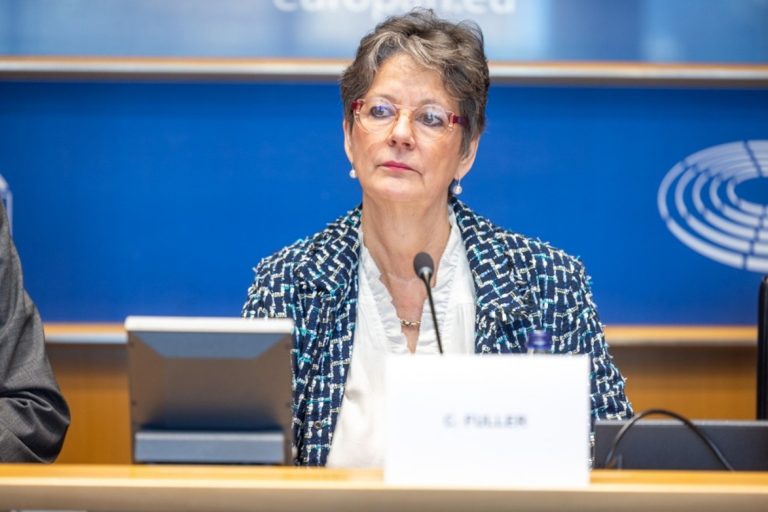
“A World Health Assembly Resolution is not just a statement. It is a political commitment to act.”
Dr Andriy Petranyuk, dermatologist at the Medical University of Gdańsk, provided a clinical perspective on the burden of skin diseases and skin cancer in Europe, drawing on his experience in Poland. He underlined the importance of stronger public awareness on UV exposure, noting that misconceptions about sun exposure and sunscreen use remain widespread, particularly among younger generations.
Dirk Provez, a person living with psoriasis, shared a personal testimony illustrating the daily burden of living with a chronic skin disease. He described the physical and psychological impact of psoriasis.
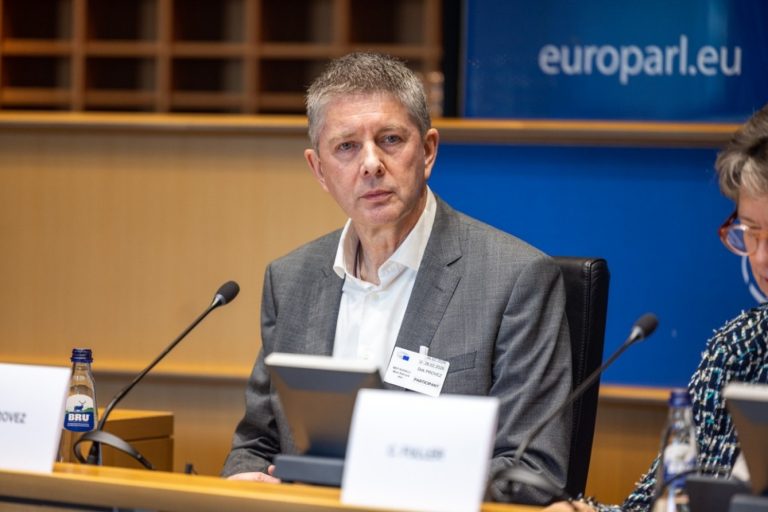
“We are not only talking about a healthcare matter, but this is also a policy choice, one that reflects how we value human potential scientific innovation and long term economic and societal return.”
Jennifer Austin, CEO of GlobalSkin, highlighted the significance of the World Health Assembly Resolution recognising skin diseases as a global public health priority, describing it as a historic milestone driven by collaboration between patient organisations and the dermatology community. She emphasised that the upcoming Global Action Plan will be key to translating the Resolution into concrete action through national strategies and noted that the European Union has an important opportunity to play a leadership role in supporting its implementation.
Marcia Podesta, President of the European Federation of Allergies and Airways Diseases Association (EFA), presented the outcomes of EFA’s recent “Atopical Lives” exhibition at the European Parliament, which launched a multiannual advocacy campaign to raise awareness of the burden of atopic dermatitis. The exhibition showcased testimonies from patients, highlighting both the daily challenges of living with the condition and the resilience of those affected.
Dr. Sarah Walsh, Member of EADV Advocacy Task Force, highlighted the scale and multidimensional burden of skin diseases, stressing the importance of robust evidence to inform policymaking. She referred to the EADV Burden of Skin Disease Survey, which gathered data from more than 45,000 respondents across Europe and provides one of the most comprehensive insights into the prevalence and impact of dermatological conditions. Dr Walsh emphasised that skin diseases affect individuals across the entire life course and have significant psychological, social and economic consequences, including stigma and social isolation.
Conclusions
The discussion reinforced that skin diseases represent a major yet under-recognised public health challenge, affecting millions of Europeans and having far-reaching impacts on physical health, mental wellbeing and social participation. The recent World Health Assembly Resolution recognising skin diseases as a global public health priority provides an important opportunity to strengthen political attention and translate global commitments into concrete action at both EU and national levels.
The WHA Resolution marks a historic opportunity that must now be translated into action. EADV remains committed to work with policymakers, patient organisations and the scientific community to ensure that this momentum delivers real progress in prevention, care and quality of life for people living with skin diseases across Europe.
EADV would like to warmly thank Vice-President Ewa Kopacz and MEP Elżbieta Łukacijewska for hosting this important event at the European Parliament, as well as all organisations, MEPs and stakeholders who contributed and joined this valuable discussion on advancing skin health in Europe.