

EADV Symposium 2026 sessions spotlight
Session type: What's new
- Friday, 8 May
- 9:00 - 10:30 EEST
- Trianti Hall
Presentation details:

Lifestyle, prevention and disease modification
Mette Sondergaard Deleuran, Denmark
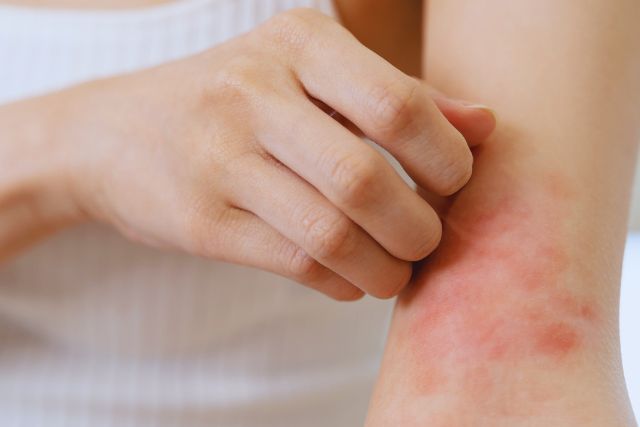
Atopic dermatitis is a chronic, relapsing inflammatory dermatosis characterized by impaired skin barrier function, immune dysregulation, and intense pruritus.
Beyond pharmacologic treatment, lifestyle modification and preventive strategies play a central role in long-term disease control and potential modification of disease trajectory in atopic dermatitis.
Foundational measures include consistent use of emollients to restore barrier integrity, appropriate bathing practices, avoidance of irritants and allergens, and environmental optimization to reduce trigger exposure.
Stress management and sleep hygiene are also critical, as psychological stress and nocturnal pruritus contribute to disease exacerbation and impaired quality of life.
Early intervention, particularly in high-risk infants, may reduce disease severity. Preventive strategies target skin barrier protection, secondary infection control, and avoidance of allergen sensitization. Emerging concepts such as proactive topical therapy and early initiation of targeted biologic agents suggest the potential for modifying disease progression by attenuating inflammation. Furthermore, optimized early management may influence the course of the disease and potentially reduce the risk and severity of subsequent allergic and non-allergic comorbidities.
Comprehensive management of atopic dermatitis therefore requires an integrated approach that combines patient education, lifestyle adaptation, preventive care, and targeted immunomodulatory therapy. Such strategies not only reduce flare frequency and severity but may also contribute to long-term disease modification and improved patient outcomes.
Learning objectives:
- Lifestyle factors important for atopic dermatitis
- Preventive measures in atopic dermatitis
- Possibilities for disease modification in atopic dermatitis
Presentation details:

Treatment
Marie-Aleth Richard, France Session chair
This presentation will review the latest tolerance data on systemic treatments available for atopic dermatitis, focusing primarily on real-world and cohort data. It will place particular emphasis on cardiovascular and infectious risks. The issue of continuing treatment with dupilumab during pregnancy will be addressed. This update will also evaluate the different strategies for tapering dupilumab in cases where the dermatosis is under control. It will provide an update on data from therapeutic trials on long-term efficacy follow-up data and the tolerance of the most recently approved biological molecules, including nemolizumab. Data from systematic literature reviews and network meta-analyses will be discussed to estimate the respective efficacy and tolerance of already approved biologics and JAK inhibitors, as well as that of topical treatments.
The prevention of atopic dermatitis using emollients or probiotics will also be discussed, as will the impact of systemic treatments on the skin microbiota.
Finally, data from phase 2 trials of new molecules currently in development will be briefly presented.