
COMING NEXT:

EADV Online Education

Discover EADV’s exclusive online education plans, including accredited CME courses, webcasts, and other activitiesdesigned by leading experts in dermatology and venereology.

Strengthen your knowledge on a specific dermatology / venereology topic or get the latest updates on a condition or treatment. Some online courses are incorporated into learning paths, allowing a progressive learning experience on a specific track that can be completed at your preferred pace.

Access all EADV’s learning activities by using your MyEADV membership credentials.

EADV Media Library

Rewatch the scientific sessions and access abstracts and ePosters from past EADV Congresses and Symposia

Online self-paced courses

New

Autoimmune diseases in dermatology

New

Genital HPV from Paediatric to Mature Age

New

Infectious diseases for nurses

New

Infectious diseases in dermatology: New challenges and paradigms

New

Skin Pigmentation in Universal Dermatology

New

Cutaneous Lymphoma

Skin Regenerative Medicine

Facial Dermatoses

Dermato-allergology: UEMS EBDVD Exam Preparation

Skin Cancers: diagnosis and management

Laser and Alternative Light Sources in Modern Dermatology

Challenges in Managing Autoimmune Blistering Disorders

Introduction to Tropical & Travel Dermatology

Introduction to Peelings

Introduction to Cosmetic Dermatology

Introduction to Mohs Micrographic Surgery

STIs - UEMS EBDVD Exam Preparation

Introduction to Autoimmune Blistering Disorders

Pearls in Dermatopathology

Introduction to Photodynamic Therapy

Laser and Light Dermatology

Introduction to Paediatric Dermatology

Introduction to Dermatopathology

Nails Masterclass

Cutaneous Lymphomas

Pregancy Dermatology

EADV Learning paths

The EADV aims to continuously support medical education and professional development of its members. 

With that in mind, we aligned existing materials and educational activities to provide with the resources to grow your way from a trainee to a future leader in dermatology and venereology. 

The learning paths allow a progressive learning experience on a specific track that can be completed at your own pace.

Webcasts
Hot Topics in Autoimmune Blistering Diseases (Part II)

History of the Nobel Prizes and their connection with Dermatology
Inflammatory Nail Disorders - Focus on Psoriasis and Lichen Planus
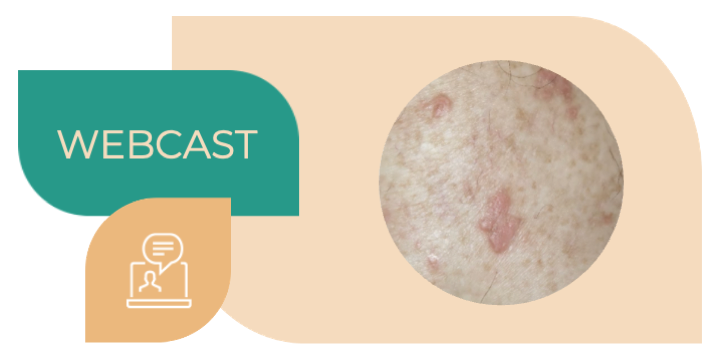
Dermatologic toxicities of Immune Checkpoint Inhibitors

Visit our Education Archive for the full list of self-paced courses and webcasts

Do you have any questions? 

Click below for commonly asked questions or contact us at [email protected]

Autoimmune diseases in dermatology

eadv learning autoimmune diseases

Course instructors

Jean-David Bouaziz, François Chasset, Thibault Mahevas, Charles Cassius, Marie Jachiet, Alexis Mathian, Patricia Senet

Course description

The Autoimmune Diseases in Dermatology online course provides a structured and up-to-date overview of the immunopathogenesis, clinical spectrum, diagnostic approaches, and therapeutic strategies of autoimmune disorders affecting the skin. The programme addresses both organ-specific and systemic diseases with cutaneous involvement, integrating current guidelines and recent scientific advances.

During the course, you will explore the key mechanisms driving cutaneous autoimmunity, the clinical and histopathological features of major autoimmune dermatoses, and contemporary evidence-based treatment options, including targeted and biologic therapies. You will enhance your ability to critically interpret diagnostic findings and therapeutic strategies within a rapidly evolving scientific landscape.

Covered topics

  • Lupus
  • Vasculitis
  • Sclerodermatous
  • Dermatomyositis
  • Sarcoidosis

Learning objectives

  • Understand the key immunological mechanisms of autoimmune skin diseases
  • Recognise the main clinical and histopathological patterns
  • Apply diagnostic frameworks for systemic autoimmune diseases with skin involvement
  • Evaluate evidence-based and targeted therapeutic strategies
  • Interpret recent advances relevant to clinical dermatology

Leg ulcers

Leg ulcers online course eadv

Course instructors

Catherine van Montfrans, Elena Conde Montero, Franziska Wenz, Justin Gabriel Schlager, Damien Pasto

Course description

This online course provides a comprehensive overview of the diagnostic approach, differential diagnosis, and therapeutic management of leg ulcers in clinical practice. The programme addresses the underlying pathophysiology, contributing factors, and evidence-based treatment strategies required for accurate assessment and effective care.

During the course, you will explore systematic evaluation methods, the spectrum of ulcer aetiologies, and current standards of management, with particular attention to compression therapy and interdisciplinary referral. You will strengthen your clinical reasoning in identifying complex cases and optimising patient outcomes.

Covered topics

  • Systematic assessment of leg ulcers
  • Differential diagnosis and delayed healing factors
  • Evidence-based management and compression therapy
  • Red flags and referral pathways
  • Indications for punch grafting

Learning objectives

  • Apply a structured diagnostic approach to leg ulcers
  • Recognise major aetiologies and complicating factors
  • Evaluate standard therapeutic strategies, including compression
  • Identify cases requiring specialist referral
  • Understand indications for punch grafting

Genital HPV from Paediatric to Mature Age

Genital HPV from Paediatric to Mature Age

Course instructors

Mihael Skerlev, Electra Nicolaidou, Marco Cusini, Claudia Heller-Vitouch, Suzana Ljubojević Hadžavdić, Arne Vikström

Course description

In this course you will learn how to navigate the full spectrum of anogenital HPV infections with confidence and clarity.

Guided by experts from the EADV HPV Task Force, you will gain a comprehensive understanding of HPV epidemiology, its oncogenic potential, and its clinical relevance across different ages.

You will discover how the dermato-venereologist’s role shapes diagnosis and patient management, how to evaluate the most appropriate therapeutic approaches, and how to adapt care for paediatric and adolescent patients.

The course will keep you up to date with the latest evidence and recommendations on HPV vaccination and its clinical use. It will deepen your knowledge, sharpen your clinical judgement, and empower you to provide high-quality care to patients with HPV at any stage of life.

Covered topics

  • HPV Epidemiology
  • Oncogenic Risks
  • Clinical Diagnosis
  • Paediatric Management
  • Therapeutic Options
  • Genital Warts
  • HPV Vaccination

Learning objectives

  • Identify the specific role of dermato-venereologist in the diagnostic approach and patients’ management. 
  • Evaluate ablative and non-ablative therapeutic options 
  • Tailor the specific approach to the patients with HPV infection in the paediatric and adolescent age  
  • Update on HPV vaccine use and implementation 

Infectious diseases for nurses

Course instructors

Olivier Chosidow, Christa De Cuyper, Romain Salle, Arjen Nikkels

Course description

This course provides nurses with an updated overview of infectious diseases, with a focus on cutaneous infections and sexually transmitted infections (STIs). Participants will refresh their knowledge, learn about sampling methods and the evaluation of test results, and strengthen their skills in therapeutic patient education to support compliance and treatment outcomes. The talks and case presentations are delivered by experts, offering evidence-based insights to support individual learning and professional development.

Covered topics

  • Fungal infections
  • Secondary bacterial infections in patients with atopic dermatitis or other common skin diseases
  • Viral infections of the skin
  • Sexually transmitted infections (STIs)
  • Ectoparasitic diseases
  • Erysipelas and cellulitis
  • Necrotising soft-tissue infections

Learning objectives

  • Refresh and update nurses’ knowledge on cutaneous infections and sexually transmitted infections (STIs).
  • Acquire practical information on sampling techniques and evaluation of test results.
  • Improve skills in therapeutic patient education through tips and strategies to enhance patient compliance and treatment outcomes.
  • Exchange experiences and learn from case presentations shared by fellow nurses.

Infectious diseases in dermatology: New challenges and paradigms

EADV Online courses 2025 Infectious diseases in dermatology: New challenges and paradigms

Course instructors

Ditte Marie Saunte, Elena Rossi, Marie-Aleth Richard, Florent Amatore, Romain Blaizot, Nicolas Dupin, Jana Hercogova, Federica Dassoni

Course description

In this online course you will gain an updated understanding of cutaneous infections and sexually transmitted diseases, with a focus on conditions that impact daily dermatology practice. You will learn about pathogenesis, resistance trends, diagnostic methods, and treatment strategies, with special attention to infections of public health importance and those affecting at-risk populations. By the end of the course, you will be equipped with the knowledge to improve patient care and the confidence to manage a wide range of infectious skin disorders.

Covered topics

  • Pathogenesis of selected infectious dermatoses
  • Emerging resistance trends and their clinical implications
  • Diagnostic methods and sampling techniques
  • Therapeutic strategies and treatment optimisation
  • Infections of public health significance worldwide
  • The role of infections in carcinogenesis
  • Management of infections in at-risk populations

Learning objectives

  • Understand recent diagnostic advances in infectious diseases with skin involvement.
  • Recognize clinical presentations and key issues in infectious diseases with skin involvement.
  • Learn about new therapeutic concepts and approaches in infectious diseases with skin involvement.

Skin Pigmentation in Universal Dermatology

Course instructors

Carmen Salavastru, Ruta Ganceviciene, Christos Zouboulis, Mauro Picardo, Alessia Paganelli

Course description

As a dermatologist or healthcare professional, understanding pigmentation disorders such as hyperpigmentation, hypopigmentation, and depigmentation is crucial for accurate diagnosis and effective treatment.

In this online course, you will explore the biological and molecular mechanisms that regulate pigmentation, the effects of UV radiation and visible light on the skin, and the latest advances in managing pigmentary conditions. Special attention will be given to differences in pigmentation among various skin types, particularly skin of color, which requires specialized knowledge for proper care.

By the end of this course, you will have a deeper understanding of pigmentary disorders and the latest treatment strategies, enabling you to provide more effective care to your patients.

Covered topics

  • Fundamentals of Skin Pigmentation
  • Impact of UV Radiation and Environmental Factors
  • Pigmentary Disorders and Skin Conditions
  • Molecular and Biochemical Mechanisms
  • Pharmacological and Therapeutic Approaches
  • Diagnosis and Management Strategies

Learning objectives

  • Understand the fundamentals of melanocyte biology and skin pigmentation processes
  • Analyze how UV radiation and environmental factors influence pigmentation and contribute to photoaging
  • Identify and differentiate pigmentary disorders based on their clinical presentation and molecular mechanisms
  • Explore and evaluate pharmacological, cosmetic, and therapeutic approaches for managing pigmentation issues

Cutaneous Lymphoma

EADV Online courses 2025 Cutaneous Lymphoma

Course instructors

Marie Beylot-Barry, Julia Scarisbrick, Pablo-Ortiz Romero, Anne Pham-Ledard, Jean-Philippe Merlio, Fanny Beltzung, Florent Amatore, Adèle de Masson, Audrey Gros

Course description

In this online course, you will gain a comprehensive understanding of cutaneous lymphomas, including diagnostic criteria, staging tailored to each lymphoma type, and treatment approaches.

You will learn how to apply clinical reasoning skills to develop personalized management strategies for patients at different stages of the disease. Additionally, you will explore the latest advancements, such as new lymphoma subtypes, novel therapies, updated guidelines, translational research, and insights from international prognostic studies.

Through engaging lectures, you will enhance your ability to diagnose and manage cutaneous lymphomas with confidence.

Covered topics

  • Diagnosis and staging of cutaneous lymphomas
  • Personalised treatment strategies
  • Latest advances in therapies and guidelines
  • Case-based clinical decision-making
  • Translational research and prognostic studies

Learning objectives

  • Learn which investigations are useful for diagnosis and initial workup, depending on the type of clinically suspected cutaneous lymphoma.
    Understand the therapeutic strategy for cutaneous lymphoma and know when to use innovative treatments
    Know the evolution and prognostic factors of cutaneous lymphoma according to subtype

Mycology

Course instructors

Ditte Marie Saunte, Roderick James Hay, Michael Arabatzis, Pauline Lecerf, Merete Haedersdal

Course description

This Mycology online course is tailored to help dermatologists improve their diagnostic and treatment skills for fungal-related skin disorders. You’ll develop in-depth knowledge of pathogenesis, advanced diagnostic techniques, treatment approaches, and the latest trends in mycological dermatology. By the end of the course, you’ll be equipped to confidently diagnose and manage a broad spectrum of fungal skin conditions.

Covered topics

  • Diagnostic Methods
  • Antifungal Therapy
  • Dermatophytosis and Malassezia Diseases
  • Onychomycosis and Dermoscopy of Nails and Hair 
  • Subcutaneous Fungal Infections

Learning objectives

  • Understand diagnostic methods
  • Optimise antifungal therapy
  • Diagnose and treat fungal infections affecting the skin, including subcutaneous and systemic infections

Skin Regenerative Medicine

Course instructors

Fernando Larcher, Diego Velasco, Sabine Werner, Michele De Luca, Christine Baldeschi, John Connelly, M. Peter Marinkovich, Ulrich Koller, Julia Reichelt, Clarisse Ganier, Matthias Titeux, Alexander Nystrom, Sara G Llames, Marta García, María J Escamez, Paloma Perez, Marta Carretero, Carlos León, Ramón G Escudero, Joaquin Dopazo

Course description

This online course offers a comprehensive examination of experimental skin regenerative medicine, emphasizing on cell and gene-based approaches. Participants will gain proficiency in culture and manipulation of skin cells in both 2D and 3D modalities, focusing on preserving stem cell functionality and regenerative capacities. The course addresses the application of these strategies in scenarios such as chronic wounds, large skin losses from trauma, and genetic disorders. 

Essential wound healing concepts are covered, enabling participants to tackle specific challenges with appropriate therapeutic tools. 

The curriculum also delves into advanced skin gene therapy strategies (e.g. genome editing) to address inherited skin defects impairing regeneration. Discussions extend to pre-clinical models and clinical applications, providing a comprehensive understanding of translational aspects in regenerative medicine. 

Additionally, the course explores the complexity of cellular populations influencing skin physiology.

Participants will learn to analyse and manage large datasets derived from regenerative skin approaches, incorporating artificial intelligence methods. 

Covered topics

  • Keratinocyte Biology and culture (2D) 
  • 3D skin cultures  
  • Wound healing and skin diseases models 
  • Gene therapy and clinical studies 
  • Omics and AI in dermatological research 

Learning objectives

  • Skin Cell Culture Mastery:  Attain proficiency in cultivating and managing skin cells in 2D and 3D, emphasizing the preservation of stem cell functionality for effective regenerative applications. 
  • Application of Cell-based and other advanced skin Regenerative approaches:  Gain insight on the use of skin regenerative therapies strategically, grounded in a solid understanding of wound healing concepts, to address specific challenges like chronic wounds, traumatic skin losses, and genetic disorders. 
  • Advanced Gene Therapy Skills: Development of competence in advanced skin gene therapy strategies to address inherited skin defects.
  • Data Analysis and AI Integration: Explore the complexity of cellular populations in skin physiology and acquire skills in analysing large datasets from regenerative skin approaches, incorporating artificial intelligence methods for comprehensive data management and interpretation. 

Facial Dermatoses

Course instructors

Ditte Marie Saunte, Elena Rossi, Marie-Aleth Richard, ophelia dadzie, Alexander Katoulis, Michael John Boffa, Aveen Connolly, Jose Luis Lopez-Estebaranz, Nausicaa Malissen

Course description

Delve into the complexities of facial dermatoses with this comprehensive online course, tailored for dermatologists in both private and hospital settings. The face, frequently afflicted by various pathologies, presents unique challenges due to its visibility and the chronic nature of many conditions. Special considerations are often required for dermatoses on pigmented skin.

Recent advancements in medical and interventional therapeutics, including some off-label treatments (e.g., topical tacrolimus for seborrheic dermatitis, isotretinoin for rosacea, spironolactone for acne), offer new management possibilities. This course will provide up-to-date guidelines and evidence-based practices, delivered by a panel of leading European experts.

Covered topics

  • Facial Vascular Lesions
  • Acne vulgaris and facial localisation of HS 
  • Seborrheic dermatosis and sebopsoriasis and atopic dermatitis
  • Rosacea and related disorders
  • Facial involvement in patients with systemic diseases, connectivitis and photodermatosis
  • Facial dermatosis on pigmented skin 
  • Facial pigmented disorders: vitiligo, melasma
  • Facial lesions and cutaneous toxicities with systemic anti-cancer treatment
  • Generality, anatomy and physiology
  • Facial infections
  • Cutaneous side effects of fillers and aesthetic interventions on face
  • Specific treatment of facial dermatosis: laser, depigmentants, fillers, toxin, peelings, make up

Learning objectives

  • Enhance knowledge of facial dermatoses
  • Improve management of patients with facial dermatoses, including complex cases
  • Recognise complex situations and discuss different strategies based on case studies
  • Describe new medical or interventional therapeutic approaches in an evidenced-based approach

Dermato-allergology: UEMS EBDVD Exam Preparation

Course instructors

Daiva Jasaitiene, Magdalena Czarnecka-Operacz, Ana-Maria Giménez-Arnau, Joanna Czuwara

Course description

This comprehensive, up-to-date reference course is intended to serve as the standard guide in the field of dermato-allergology (allergic skin diseases) to help young dermato-venerologists to prepare for the UEMS European Board of Dermato-venereology Diploma (EBDVD) Examination. It covers the epidemiology and aetiology of the various allergic skin diseases and associated comorbidities , reviews novel diagnostic methods, and provides the updated knowledge in the field of new diagnostic and therapeutical modalities.  An important part of the course is devoted to the complexity of immune-mediated , etiological complexity of the diseases as well as possible misunderstandings and misdiagnosing in dermato-allergology .

The course is prepared by experienced professionals in this field and examiners of UEMS EBDVD Examination.

Covered topics

  • Immunological reactions – the updated knowledge
  • Diagnostic procedures for allergic skin diseases. From skin tests to molecular diagnostic in dermato-allergology
  • Multidisciplinary characteristics of allergic skin diseases – the area of knowledge to be covered
  • Allergic, autoimmune and autoreactive diseases/syndromes in dermatology
  • Urticaria – classification, diagnostic procedures and treatment modalities
  • Urticarial dermatitis – definition, classification, diagnostic and therapeutical approach
  • Atopic dermatitis – complexity of the disease
  • Treatment of atopic dermatitis and comorbidities – the updated knowledge
  • Allergic contact dermatitis and new allergens registered for the European Standard Series
  • Drug-related reactions and dermatological manifestations (Drug Related Allergy – “The Great Pretender”)

Learning objectives

  • To understand the principles of diagnostic and management of allergic skin diseases;
  • To understand the aetiology and epidemiology of allergic skin diseases, as well as difficulties concerning the interdisciplinary characteristics of dermato-allergology;
  • To understand the complexity of allergic skin diseases in terms of new understanding of overlapping immunological reactions and new therapeutical modalities.

Skin Cancers: diagnosis and management

Course instructors

Course chair : Pr M Samimi.
EADV task forces involved: Non melanoma skin cancer, Melanoma, Dermatology for Cancer Patients, Organ Transplant Recipients

Course description

This on-line intensive course aims to provide essential theoretical and practical knowledge on the diagnosis and treatment of skin cancers for dermatologists. The sessions will cover epidemiology, diagnosis, work up, management and follow up of melanoma, keratinocyte cancers (actinic keratosis, squamous cell carcinoma and basal cell carcinoma), cutaneous lymphomas and rare skin cancers (Merkel cell carcinoma, cutaneous sarcomas and adnexal tumours). The teaching program will bring up-to-date guidelines and evidence-based practice, provided by a panel of European leading experts in the field of onco-dermatology. The on-line courses will consist in 15-minutes lectures focusing on key points highlighted by experts on each topic. On-line training materials (guidelines, recommendations, key articles…) will be provided. On-line tests will allow attendees to test their knowledge and skills acquired during the training.

Covered topics

  • Epidemiology of keratinocyte carcinomas and the role of UV-Exposure – A.M. Forsea
  • Management of high risk difficult to treat SCC – M. Samimi
  • Merkel Cell Carcinoma – M. Samimi
  • Melanoma – management of localized stages (stages I-II) – M. Arenbergerova
  • Angiosarcoma – M. Arenbergerova
  • Actinic Keratosis (including field cancerization) – K. Mosterd
  • Treatment of BCC (excluding advanced cases) – K. Peris
  • Management of advanced/ difficult to treat BCC – K. Peris
  • Melanoma, Epidemiology and Staging – I. Zalaudek
  • Melanoma, follow up – I. Zalaudek
  • Genetic predisposition in melanoma (covering indications for genetic testing, current genes involved in genetic predisposition and their implications)  – E. Nagore
  • Surgical management of cutaneous melanoma (covering surgery of the primary tumor, update on SLNB indications and CLND) – E. Nagore
  • Melanoma – management of patients with stage III – C. Gaudy-Marqueste
  • Melanoma – management of patients with distant metastases – C. Gaudy-Marqueste
  • Cutaneous T cell Lymphoma: overview, diagnosis and staging  – C. Assaf
  • Advanced mycosis fungoides, Sezary Syndrome : management/ treatment  – M. Bagot
  • Cutaneous T-cell lymphoma other than MF/SS – M. Beylot-Barry
  • Cutaneous B cell Lymphoma : overview, diagnosis and staging – P. Ortiz-Romero
  • Cutaneous B cell Lymphoma : treatment – A.Pileri
  • Kaposi Sarcoma – C. Lebbe
  • Adnexal tumours, overview – M. Battistella
  • Adnexal tumours, principles of treatment – T. Jouary
  • Management of skin cancers in OTR patients   – C. Ferrandiz-Pulido
  • Dermoscopy of BCC – J. Paoli
  • Dermoscopy of AK and SCC – A. Lallas
  • Dermoscopy of melanoma – A. Lallas

Learning objectives

  • Identify skin cancers (melanoma, carcinomas, rare cancers, cutaneous lymphomas) based on clinical and/or dermoscopy features;
  • Determine staging and follow up of patients with skin cancers (melanoma, carcinomas, rare cancers, cutaneous lymphomas);
  • Guide the management of skin cancers (melanoma, carcinomas, rare cancers, cutaneous lymphomas) according to the most recent international guidelines.

Laser and Alternative Light Sources in Modern Dermatology

Course instructors

Leonardo Marini, Paolo Bonan, Uwe Paasch

Course description

This on-line lecture format will be an invaluable source of information for perspective attendees with the intention to build a strong foundation knowledge on the basics of lasers and alternative light sources in modern Dermatology. The aim of these preliminary on-line lectures is to provide a structured learning experience to get the most out of the subsequent face-to-face practical course held in Trieste on 10-12 April 2024. Each lecture will be followed by short and compulsory multiple-choice questions which will allow attendees to progress further and complete the preliminary core of knowledge section of the course.

Covered topics

  • Fundamentals of laser and alternative light sources used in Dermatology
  • Laser Safety Rules and Practical Tips to protect Patients and Staff
  • Patient selection, Medico-legal issues, and Informed Consent
  • Photographic documentation, clinical markings and data storage
  • Ablative lasers – Basic principles and indications
  • Vascular lasers – Basic principles and indications 
  • Q-S lasers – Basic principles and indications 
  • Understanding the importance of pre- and post- treatment skin care including primary and secondary dressing strategies
  • Skin rejuvenation strategies 
  • Photo-assisted epilation 
  • Tattoo removal  
  • Laser-assisted PDT
  • I am the IPL – all you need to know on this specific light technology 
  • We are the Er:YAG and CO2 Laser – all you need to know on these two specific wavelengths
  • I am the LED light source – all you need to know on this specific light technology

Learning objectives

  • Understand the principles of LASERS and Alternative Light Sources currently used in modern dermatology 
  • Recognise key technical and procedural innovations to safely and efficiently perform light-based procedures
  • Identify dermatologic indications suitable to be selectively treated by modern LASERS and Alternative Light Sources

  • Develop adequate confidence in performing advanced LASER procedures to treat selected skin alterations 

  • Understand principles and strategies to optimise wound-healing processes minimising side effects and prolonging positive clinical results 

  • Recognise, prevent, and properly treat possible complications and side effects 

Challenges in Managing Autoimmune Blistering Disorders

Course instructors

Aikaterini Patsatsi, Michael Kasperkiewicz, Kaisa Tasanen, Enno Schmidt, Kossara Drenovska, Snejina Vassileva, Rikke Bech, Angelo Marzano, Silke Hofmann, Jose Mascaro, Emiliano Antiga, Branka Marinovic, Marzia Caproni, Nina vanBeek, Giovanni Di Zenzo, Khalaf Kridin, Dedee Murrell, Maryam Daneshpazouh, Soner Uzun, Eli Sprecher, Dario Didona, Yen Loo Lim, Joost Meijer, Dušan Škiljević, Savaş Yaylı, Hana Jedličková, Dipankar De, Jane Setterfield, Katarzyna Woźniak, Arti Nanda, Artem Vorobyev, Maike Marleen

Course description

All relevant AIBD not covered in the introduction course will be presented including anti-p200 pemphigoid, pemphigoid gestationis, and dermatitis herpetiformis. In addition rarer AIBD variants such as paraneoplastic pemphigus, IgA pemphigus, epidermolysis bullosa acquisita, and bullous SLE are included. Furthermore, clinically relevant topics will be addressed such as difficult diagnostic constellations, clinical scores, comorbidities, pre-treatment screening, and expected new therapies.

The second part of the course provides detailed knowledge of AIBD reaching the level of physicians working in specialized clinics for these diseases.

Covered topics

  • IgA pemphigus 
  • Paraneoplastic pemphigus
  • Pemphigoid gestationis
  • Dermatitis herpetiformis
  • Bullous SLE 
  • Difficult diagnostic constellations 
  • Comorbidities in bullous pemphigoid and pemphigus
  • Clinical scores in AIBD 
  • Genetics of AIBD 
  • Emerging therapies of AIBD 
  • Inflammatory mimickers of AIBD 
  • drug-induced AIBD 
  • Pre-therapeutic investigations in AIBD 
  • Anti-p200 pemphigoid
  • Differential diagnosis of oral lesions in AIBD
  • AIBD in children: what needs to be considered
  • Epidermolysis bullosa acquisita

Learning objectives

  • Recognize the clinical manifestations and differential diagnoses of rarer AIBD
  • Manage difficult diagnostic constellations of AIBD
  • Understand the principles of genetic susceptibility and pathophysiology of AIBD
  • Have an overview about the treatment options for rarer AIBD
  • Acknowledge comorbidities of AIBD

Introduction to Tropical & Travel Dermatology

Course instructors

Aikaterini Patsatsi, Michael Kasperkiewicz, Kaisa Tasanen, Enno Schmidt, Kossara Drenovska, Snejina Vassileva, Rikke Bech, Angelo Marzano, Silke Hofmann, Jose Mascaro, Emiliano Antiga, Branka Marinovic, Marzia Caproni, Nina vanBeek, Giovanni Di Zenzo, Khalaf Kridin, Dedee Murrell, Maryam Daneshpazouh, Soner Uzun, Eli Sprecher, Dario Didona, Yen Loo Lim, Joost Meijer, Dušan Škiljević, Savaş Yaylı, Hana Jedličková, Dipankar De, Jane Setterfield, Katarzyna Woźniak, Arti Nanda, Artem Vorobyev, Maike Marleen

Course description

This course includes short talks recorded during a face-to-face course, introducing the main tropical diseases of travellers and migrants/refugees, with an emphasis on diagnosis, management, and prevention. Diseases caused by virus, bacteria, fungus, protozoa and helminths are described by the speakers, who are experts in their fields of research and have great international experience.

Covered topics

  • Cutaneous Larva Migrans
  • Tropical Skin Diseases
  • Scabies and Pediculosis
  • Hysthopathology of Tropical Dermatology
  • Helminths in the Tropics
  • Bacterial Infections
  • Leprosy
  • Paracoccidioidomycosis
  • Viral Infections
  • Common Skin Infections in Travellers

Learning objectives

  • Identify tropical and imported diseases specific to the field of dermatology 
  • Learn how to analyse, efficiently diagnose and provide treatment options for tropical diseases 
  • Increase awareness in order to reduce morbidity and mortality of patients

Introduction to Peelings

Course instructors

Myrto Trakatelli, George Kontochristopoulos, Fotini Bageorgou, Marina Landau, Eftychia Platsidaki, Theodora Kann

Course description

The face-to-face EADV course titled Peelings from A to Z is an advanced review of superficial, medium and deep chemical peeling, where world renowned experts share their experience with the colleagues from all around Europe. It is very educational for beginners but also for more advanced peelers, as there is a vast range of hands on chemical peeling procedures performed, suitable for those who want to upgrade their peeling skills. This online introductory course, was recorded in parallel to A face-to-face course in Athens chaired by Dr George Kontochristopoulos to allow all EADV members to have an introduction to the subject and prepare to attend the next edition, should they wish to.

Covered topics

  • Chemical Peeling
  • Melasma
  • Photoaging
  • Acne and Rosacea

Learning objectives

  • Become familiar with the basic chemical peeling procedures
  • Prepare and anticipate possible safety issues when performing peeling procedures

Introduction to Cosmetic Dermatology

Course instructors

Myrto Trakatelli, Elena Rossi, Bertrand Richert, Konstantinos Kalokasidis, Pauline Lecerf

Course description

This interview-style course was recorded in Brussels alongside the EADV Cosmetic Dermatology face-to-face course. It aims to provide an understanding of the scientific foundations of cosmetology and the basics of performing cosmetic procedures safely, with a focus on managing of complications.

Covered topics

  • Functional anatomy for cosmetic procedures 
  • Global face assessment
  • Chemical peels 
  • Micro needling 
  • Skin boosters 
  • Fillers
  • Botulinum toxin
  • Complications from fillers and botulinum toxin injections
  • Plasma technology in cosmetic dermatology 
  • PRP
  • Tension threads
  • Body cosmetic procedure 

Learning objectives

  • Learn the scientific basis to cosmetology 
  • Understand the procedures of injections of fillers and where to inject botulinum toxin 
  • Understand how to manage fillers and botulinum toxin complications.

Introduction to Mohs Micrographic Surgery

Course instructors

Kai Munte, Mihaela Leventer, Leonardo Marini, Joseph Alcalay, Galit Avinoam-Dar

Course description

This Course is an introductory experience to discover the benefits and limitations of one of the most effective surgical procedures to eradicate selected skin cancers. The logic behind the original procedure invented by Dr. Frederic Mohs and its subsequent modifications will be discussed in detail by internationally known experts. All sequential surgical and laboratory steps will be analyzed and presented on-line for participants to be properly exposed before joining the faculty for the on-site practical part, with the aim of optimizing their learning experience. This Course should not be intended as a comprehensive experience to allow participants to start practicing Mohs Surgery, but as an important preliminary step for every Colleague willing to further proceed in mastering this fascinating surgical approach to skin cancer treatment.

Covered topics

  • Surgical excision and primary dressing techniques, medico-legal issues, reconstructive techniques lower face
  • Mohs surgery operative charts, microscopic evaluation, reconstructive techniques from a plastic surgeon perspective
  • Mohs surgery qualifications, pre-operative imaging, clinical markings, reconstructive techniques scalp and ears, modern sun protection strategies
  • Common indications and cure rates, working environment, reconstructive techniques body areas, follow-up planning and post-operative clinical assessment

Learning objectives

  • Understand the principles of Mohs’ micrographic surgery
  • Recognize key technical, environmental, and organisational strategies to perform Mohs’ micrographic surgery procedures safely and efficiently.
  • Identify dermatologic indications suitable to be selectively addressed by Mohs’ micrographic surgery.
  • Understand the principles of post-Mohs’ micrographic surgery reconstructive techniques, early and late post-operative wound healing, and proper follow-up planning.
  • Differentiate among different microscopically controlled surgical excision techniques proposed to treat selected skin neoplasms.

STIs - UEMS EBDVD Exam Preparation

Course instructors

Daiva Jasaitiene, Marko Potocnik, Michel Janier, Jackie Sherrard

Course description

This comprehensive, up-to-date reference course is intended to serve as the standard guide in the field of sexually transmitted infections (STI) to help young dermatovenerologists to prepare for UEMS European Board of Dermatovenereology Diploma (EBDVD) Examination. 

It covers the epidemiology and aetiology of the various sexually transmitted infections and associated diseases, reviews novel diagnostic methods, and discusses in depth both new and established treatment methods. An important part of the course is devoted to prevention and particularly to immunoprevention by vaccination. 

The course is prepared by experienced professionals in this field and examiners of UEMS EBDVD Examination.

Covered topics

  • Genital Ulceration  – Michel Janier
  • Genital Lumps – Daiva Jasaitiene
  • Vaginal Discharge, Cervitis and Pelvic Infection – Jackie Sherrard
  • Urethritis and Epididymitis – Marko Potočnik 
  • Anorectal Infections in Men who have Sex with Men –  Jackie Sherrard
  • Blood Borne Virusues – Jackie Sherrard

Learning objectives

  • Understand the principles of the management of sexually transmitted infections according to syndromes, predominant clinical signs
  • Understand the epidemiology and aetiology of the various sexually transmitted infections and associated diseases, novel diagnostic methods, differential diagnosis, evidence based new and established treatment methods in accordance with recognized European guidelines
  • Understand the prevention of sexually transmitted infections and particularly the immunoprevention by vaccination
  • Understand partner management, the lookback periods for sexually transmitted infections and the main steps to follow for partner management (offering support to patients, notifying partners, identification of contacts).

Introduction to Autoimmune Blistering Disorders

Course instructors

Aikaterini Patsatsi, Enno Schmidt, Luca Borradori, Frederich Caux, Barbara Horvath, Pascal Joly

Course description

This comprehensive, up-to-date reference course is intended to serve as the standard guide in the field of sexually transmitted infections (STI) to help young dermatovenerologists to prepare for UEMS European Board of Dermatovenereology Diploma (EBDVD) Examination. 

It covers the epidemiology and aetiology of the various sexually transmitted infections and associated diseases, reviews novel diagnostic methods, and discusses in depth both new and established treatment methods. An important part of the course is devoted to prevention and particularly to immunoprevention by vaccination. 

The course is prepared by experienced professionals in this field and examiners of UEMS EBDVD Examination.

Covered topics

  • AIBD of the skin and mucosae – Definition, Classification and diagnostic approach – Prof. Luca Borradori
  • Diagnostic Tools in AIBD – Prof. Enno Schmidt
  • Pemphigus Vulgaris and Pemphigus foliaceus – Prof. Pascal Joly
  • Bullous phemphigoid – Clinical features, diagnosis and management – Prof. Luca Borradori
  • Mucous membrane Pemphigoid (MMP) – Prof. Enno Schmidt and Prof. Barbara Horvath
  • Linear IgA disease – Prof. Frédéric Caux and Prof. Katerina Patsatsi

Learning objectives

  • Initiate the appropriate steps for the diagnosis of AIBD
  • Recognise the clinical manifestations of the most frequent AIBD
  • Propose adequate treatment for the most frequent AIBD

Pearls in Dermatopathology

Course instructors

Maria Teresa Fernadez-Figueras, Eduardo Rozas, Mar Llamas Velasco, Noelia Pérez-Muñoz, Joan Francesc Mir

Course description

This short course will provide you with practical pearls on several topics in dermatopathology, ranging from clues to taking adequate biopsies to the approach to the co-called “invisible dermatosis”.  Other topics include the first steps to evaluate a lymphocytic infiltrate, clinicopathological correlation in trichology, and an update in the immunoprofile of vascular lesions.  

Covered topics

  • Approach to the Diagnosis of Invisible Dermatoses
  • Clinicopathological Correlation in Trichology
  • Helpful Immunostainings in Vascular Tumors based on Molecular Biology
  • Important Advices before a Biopsy Evaluation
  • How to Evaluate a Lymphoid Prolifaration in Skin Biopsy

Learning objectives

  • Become aware of the importance of the clinician in the dermatopathological diagnosis that must take the adequate specimen, provide clinical information and help with the clinicopathological correlation
  • Understand how approach the diagnosis of lymphoid proliferations
  • Get updated on immunoprofile of vascular lesions

Introduction to Photodynamic Therapy

Course instructors

Peter Bjerring, Leonardo Marini

Course description

This course gives an introduction to Photodynamic Therapy and may serve as pre-requesite to the practical face-to-face course.

Covered topics

  • History, Development and Basic Theoretical Knowledge
  • Pre-Operative Patient Assessment and Patient Informed Consent
  • Incubation Times for Different Dermatological Indications
  • Post PDT Wound Healings Steps and Their proper Skin Care Regimes
  • Repeating PDT Procedures – What are the Right Intervals
  • Post-PDT Self-examination: Education – Instructions Implementation
  • Advanced Oncologic PDT Procedures including Innovative Combination Treatments
  • Buying and Maintaining PDT Equipment
  • Complications and Side Effects
  • Medico-Legal Issues
  • Photosensitizer Activation Strategies
  • Photosensitizer, Vehicles and Delivery Systems
  • Immediate and Late Post-Treatment Primary and Secondary Dressing Strategies
  • Pre-Operative Skin Preparation and Photosensitizer Application Techniques
  • Modern Sun Protection Strategies after PDT
  • Pre and Intra Operative Tissue Fluorescence Measurements – Operative Chart

Learning objectives

  • Understand the fundamentals of photodynamic therapy; 
  • Learn how to select equipment, photosensitizers and delivery strategies;
  • Recognise how to select incubation times for different indications; 
  • Comprehend anaesthesia techniques for a comfortable PDT experience; 
  • Acknowledge the importance of early and late post-treatment skin care; 
  • Discover Medico-legal issues in PDT
  •  

Laser and Light Dermatology

Course instructors

Ashraf Badawi, Peter Bjerring, Leonardo Marini, Hans-Joachim Laubach, Albert Wolkersdorfer

Course description

This course is addressed to dermatology residents and specialists who want to expand their knowledge on subjects in the field of Laser & Light Dermatology.

Covered topics

  • Lasers – IPL – RF – Focused ultrasound. What happens in the box and what comes out of the box
  • Safety and Preventive strategies to minimize complications
  • Principles of Laser – IPL – RF – Focused US – tissue interaction
  • Surgical lasers – Ablative – Non-Ablative – Full Beam – Fractional Beam. Why, Where and How
  • Lasers & IPL for vascular skin alterations
  • Lasers & IPL for pigmentary skin alterations
  • Photobiomodulation: Why, Where and How
  • RF – Focused US: Why, Where and How
  • PDT: Why, Where, How – Peter Bjerring
  • Pre & Post treatment skin care
  • Anaesthesia: when and how to use it

Learning objectives

  • Understand the principles on which laser, IPL, LED, RF, HIFU technologies work
  • Understand the importance of adopting specific preventive strategies to safely operate with laser, IPL, LED, RF, HIFU systems
  • Recognize specific dermatologic alterations successfully treatable with laser, IPL, LED, RF, HIFU  technologies
  • Understand the importance of implementing personalized pre- and post-treatment skin care to obtain predictably efficient post-laser, IPL, RF, HIFU tissue healing

Introduction to Paediatric Dermatology

Course instructors

Mario Cutrone, Dirk Van Gysel, Ramon Grimalt, Talia Kakourou, Carlo Gelmetti, Zsuzsana Szalai, Barbara Kunz

Course description

This course is addressed to dermatology residents and specialists who want to refresh or start expand their knowledge on subjects in the field of Paediatric Dermatology.

Covered topics

  • The Painful Skin – Mario Cutrone
  • Using Propranolol in Infantile Hemangiomas
  • How Do I Treat Diaper Dermatitis
  • How do I Treat Alopecia Areata
  • How Do I Treat Atopic Dermatitis
  • Dermatologic Lessons from the COVID Pandemic
  • Differential Diagnosis of Localized Hypopigmentation in Children

Learning objectives

  • Identify the most common paediatric dermatology conditions
  • Treat and investigate accurately the most severe conditions
  • Have a recent update on COVID related skin conditions in children

Introduction to Dermatopathology

Course instructors

Maria Teresa Fernadez-Figueras

Course description

This course is addressed to dermatology residents and specialists who want an introduction to Dermatopathology or simply refresh their knowledge.

It consists of 3 modules that provide an overview of the histopathology of the skin. The first module cover a range of histological clues for identifying cutaneous structures, topographical variations, and incidental findings, along with aging with most frequent cutaneous inflammatory diseases. The following chapters cover the basic features of neoplasia from the fundamental characteristics of melanocytic, epithelial, mesenchymal, and lymphoma-hematological neoplasias of the skin.

At the end of the course, participants will be familiar with the essential aspects of the histopathology of the skin.

Covered topics

  • Basics on Dermatopathology
  • Basic microscopical alterations of the inflamed skin
  • Spongiotic, eczematous and lichenoid dermatitis
  • Psoriasiform and vasculitis and vasculopathies
  • Neutrophilic dermatosis, eosinophilic dermatosis, sclerosing diseases and panniculitis
  • Cutaneous neoplasias
  • Basic clues in lymphoid and hematologic neoplasias
  • Epidermal neoplasias
  • Benign melanocytic tumors
  • Malignant melanocytic tumors
  • Adnexal tumors
  • Mesenchymal tumors

Learning objectives

  • Be familiar with the histopathological appearance of the skin in the biopsies of the daily practice, including topographical variations, incidental findings, and changes associated with aging and inflammation;
  • Recognise the main histopathological patterns of inflammation: spongiotic, lichenoid, psoriasiform, vasculopathic, neutrophilic, eosinophilic, and sclerosing as well as panniculitis;
  • Identify neoplastic proliferation and differentiate benign from malignant features;
  • Familiarise with microscopic features of the main melanocytic, epithelial, mesenchymal, and lymphoma-hematological neoplasias of the skin.

Nails Masterclass

Course description

The Nails Masterclass is a comprehensive course on nail anatomy, disorders and treatments aimed at dermatologists who wish to deepen their knowledge on the subject.

Covered topics

  • Anatomy and physiology of the nail unit
  • Elementary lesions
  • How to start nail surgery
  • Nail sampling from the operating theatre to the lab
  • Benign nail tumors
  • Malignant nail tumors
  • Ingrowing nails
  • Etiopathogenesis and treatment of pincer nails
  • Nail Psoriasis
  • Nail lichen planus
  • Imaging of the nail unit
  • Bacterial and mycobacterial infections
  • Onychomycosis
  • Pediatric nail disorders
  • Psychodermatological aspects of nails
  • Onychoscopy 

Learning objectives

  • Learn the anatomy and physiology of the nail unit in order better understand pathophysiology of nail disorders and surgical procedures;
  • Know the tools that may help the clinician for diagnosis, especially medical imaging, focusing on onychoscopy;
  • Diagnose and treat infectious nails diseases, especially onychomycosis;
  • Recognize and efficiently manage inflammatory nail disorders;
  • Identify possible tumors of the nail unit, benign or malignant and learn their management.

Cutaneous Lymphomas

Course instructors

Marie Beylot-Barry, Julia Scarisbrick, Florent Grange, Pablo-Ortiz Romero, Beatrice Vergier, Jean-Philippe Merlio

Course description

This EADV course is addressed to those dermatologists and residents interested on cutaneous lymphomas, including diagnostic criteria, staging adapted to the type of lymphoma, and treatments. Learners will be able to see the clinical reasoning skills necessary for the optimal management strategy personalized for a patient with cutaneous lymphomas, at various courses of the diseases. Recent data are presented concerning new therapies, translational research and international prospective prognostic study.

Covered topics

  • Practical Classification of Cutaneous Lymphoma: Diagnostic Criteria
  • Practical Staging of Cutaneous Lymphomas
  • Management of Early Stage Mycosis Fungoides
  • How to Treat Advanced Mycosis Fungoides
  • Extracorporeal Photopheresis for Cutaneous T-cell Lymphomas
  • How to Treat CD30+ Cutaneous Lymphoproliferations
  • How to Treat Cutaneous B-cell Lymphoma
  • Interactive Session: T-cell Lymphoproliferations
  • Skin and Hemopathies
  • Erythrodermic Mycosis Fungoides and Sézary Syndrome
  • Experimental Models of T-cell Lymphomas (CTL)
  • Prognostic Factors in Mycosis Fungoides and Sézary Syndrome: PROCLIPI Developing Prognostic Index
  • Biology of Cutaneous B-cell Lymphomase: Challenges in Diagnostic and Prognostic Criteria

Learning objectives

  • Improve learner’s skills on classifying different cutaneous lymphomas.
  • Learn more about the dermatological examination and the clinical evaluation of different cutaneous lymphomas.
  • Acquire experience in how to treat early and advance Mycosis Fungoides, CD30+ lymphoproliferations, cutaneous B-cell lymphomas using guidelines.
  • Recognise who should be treated with extracorporeal photopheresis (ECP) in the treatment of erythrodermic cutaneous T-cell lymphoma (CTCL), and learn information about the use of this treatment.
  • Learn to differentiate Sézary syndrome and erythrodermic mycosis fungoides, and prognostic factors in both.
  • Study of different clinical cases related to cutaneous lymphoma, including analysis of histological slides from clinical cases, and discussions related.
  • Learn to identify several skin lesions that can be related to hemopathies.
  • Discover experimental models of T-Cell lymphomas, and learn to identify on histological slides from clinical cases

Pregancy Dermatology

Course instructors

Christina Ambros-Rudolph, Linda Martin, Robert Muellegger, Zuzana Nevoralova, Samantha Vaughan-Jones, Wendy Carseldine

Course description

This course is addressed to dermatologists and residents interested in pregnancy dermatology and it covers a wide range of topics divided in 4 modules.

Covered topics

  • Basics of obstetric for the dermatologist
  •  Psychological Changes in Pregnancy
  •  Drugs in Pregnancy
  •  Specific Dermatoses of Pregnancy I
  •  Specific Dermatoses of Pregnancy II
  •  Infection Diseases in Pregnancy
  •  Melanocytic Lesions and Other Tumors During Pregnancy
  •  Inflammatory Dermatoses Modified by Pregnancy
  •  Facial Dermatoses and Acne in Pregnancy I
  •  Facial Dermatoses and Acne in Pregnancy II
  •  Genodermatosis and Prenatal Diagnosis 
  •  Breastfeeding Medicine for Dermatologists
  •  Pregnancy, Diet, Probiotics and Infantile Eczema

Learning objectives

  • Expand knowledge of skin health and conditions related to pregnancy;
  • Explore some of the most complex decision making, risk-benifit decisions encompassing the need of both mother and child.

Advanced STIs

Course instructors

Alexander Kreuter, Henry John Christiaan De Vries, Elske Hoornenborg, Georg Stary, Clarissa Vergunst

Course description

This course is addressed to dermatologists and residents interested in the topic of sexual transmitted infections, also known as STIs.

Learning objectives

  • Learn the anatomy and physiology of the nail unit in order better understand pathophysiology of nail disorders and surgical procedures;
  • Know the tools that may help the clinician for diagnosis, especially medical imaging, focusing on onychoscopy;
  • Diagnose and treat infectious nails diseases, especially onychomycosis;
  • Recognize and efficiently manage inflammatory nail disorders;
  • Identify possible tumors of the nail unit, benign or malignant and learn their management.

Nail surgery

Course instructors

Eckart Haneke, Severin Läuchli, Olivier Cogrel, Nilton Gioia Di Chiacchio

Course description

Nail surgery is an important option for the dermatologist to treat tumours and infections, alleviate pain, and improve the nail surface. It is important to have knowledge of the general dermatology, anatomy, physiology and pathology of the nail organ; ensuring an atraumatic surgery is essential. This course covers the fundamentals of nail surgery in 4 modules and it was prepared from the recording of a face-to-face course.

Covered topics

  • Prerequisites for Nail Surgery: Anatomy, Physiology, Biology of the Nail
  • Pre and Postoperative Care
  • Anaesthesia of the Nail Apparatus
  • Simple Nail Surgeries: Nail Avulsion Techniques, Biopsies
  • Surgery of the Proximal Nail Fold Including Myxoid Pseudocyst
  • Surgery of the Lateral Nail Fold
  • Surgery of the Distal Nail Fold
  • Periungual and Subungual Warts
  • Surgery of the Nail Bed
  • Ungual fFibrokeratomas and Fibromas
  • Subungual Exostoses
  • Nail Surgery in Children
  • Surgery of the Matrix
  • The Melanonychia Problem Including Ungual Melanom
  • Melanonychia, Nail Melanoma and Different Cases of Melanonychia (clinical cases)
  • Ingrown Nails
  • Bowen’s Disease and Ungual Squamous Cell Carcinoma
  • Trauma of the Nail Organ and Reconstructive Surgery

Learning objectives

  • Understand the prerequisites for nail surgery
  • Describe the components of patient care before, during and after surgery
  • Identify when and how to perform surgery on the proximal, lateral and distal nail folds, nail bed and nail matrix
  • Recognise different types of skin cancer of the nail
  • Define the management and treatment of benign growths including warts, fibrokeratomas and fibromas